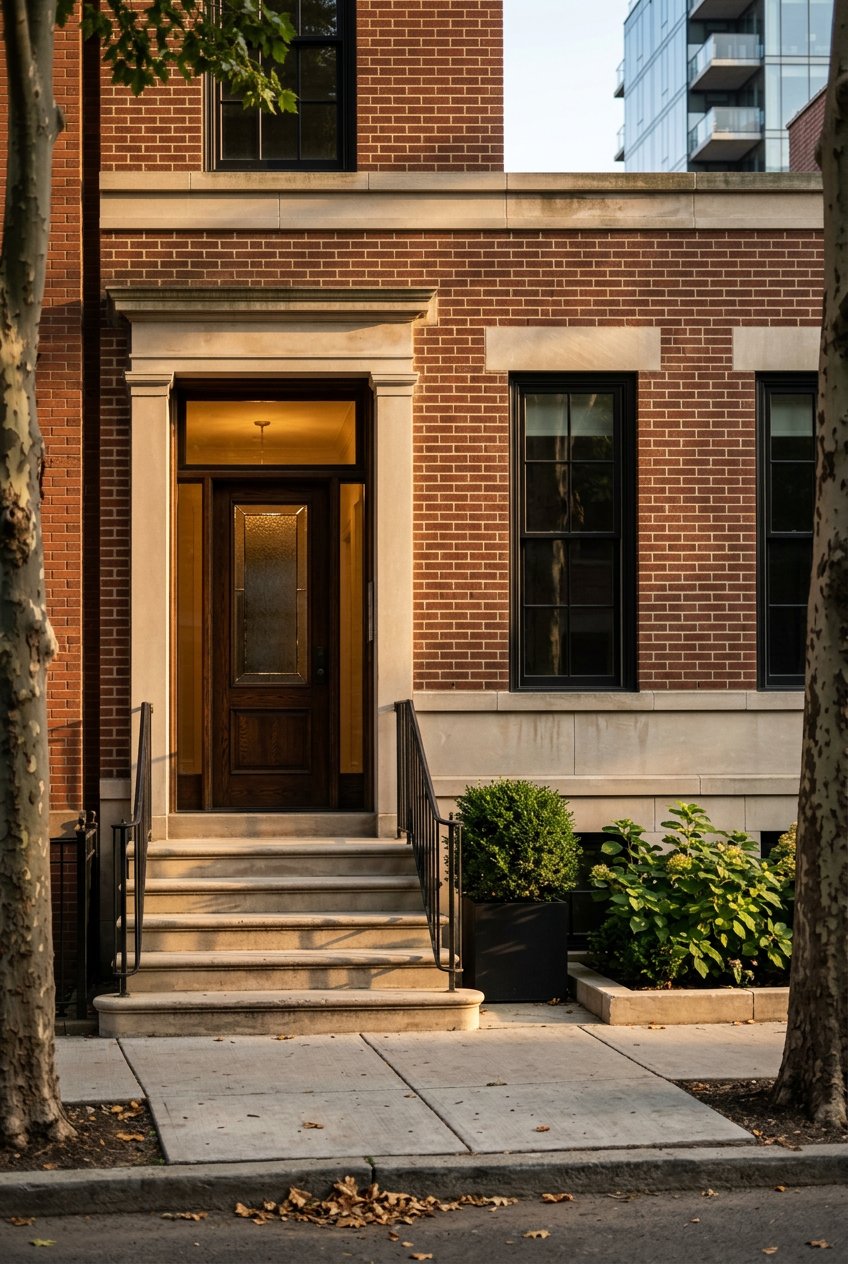
Love the Gold Coast but not sure what you are actually buying into — a limestone mansion, a vintage co‑op, or a glass tower with lake views? You are not alone. The neighborhood’s architecture is stunning and diverse, and each building type affects your lifestyle, monthly costs, and long‑term value in different ways. In this guide, you will learn how to read the Gold Coast streetscape like a buyer, what to watch for in inspections and documents, and how to match a building to your goals. Let’s dive in.
Where and what is the Gold Coast
The Gold Coast is a Near North Side enclave known for historic architecture and lakefront towers. Its core is the federally listed Gold Coast Historic District, roughly bounded by North Avenue, Lake Shore Drive, Oak Street, and Clark Street, added to the National Register in 1978. You can read the district overview on the Gold Coast Historic District summary.
Astor Street is the neighborhood’s architectural heart, with a dense mix of late‑19th‑century mansions and rowhouses that draw visitors and buyers alike. The Chicago Architecture Center’s overview is a helpful primer on styles and history along this stretch. Explore the highlights on the Gold Coast and Astor Street tour page.
Historic recognition at the federal level is primarily informational. Chicago also uses local landmark districts and approvals that can shape exterior work and height. If you plan renovations, review the city’s process through the Chicago Landmarks list and commission context.
Gold Coast building types at a glance
Gilded‑Age mansions and rowhouses
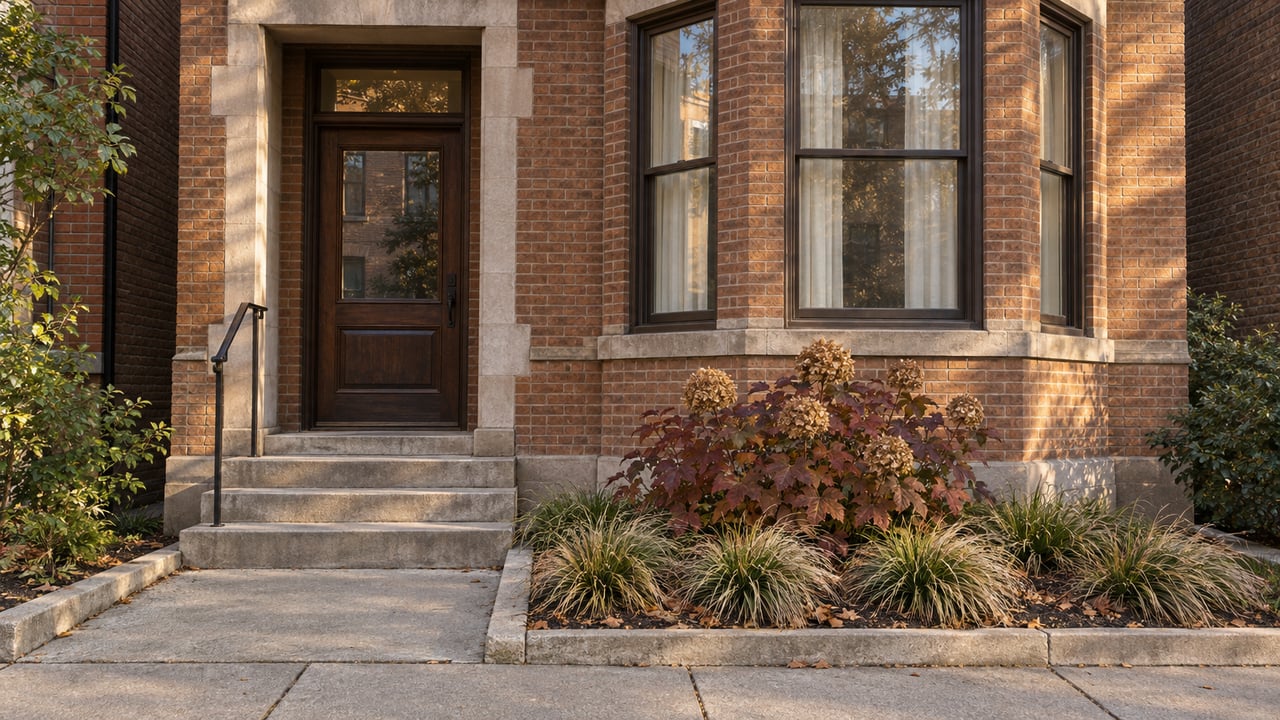
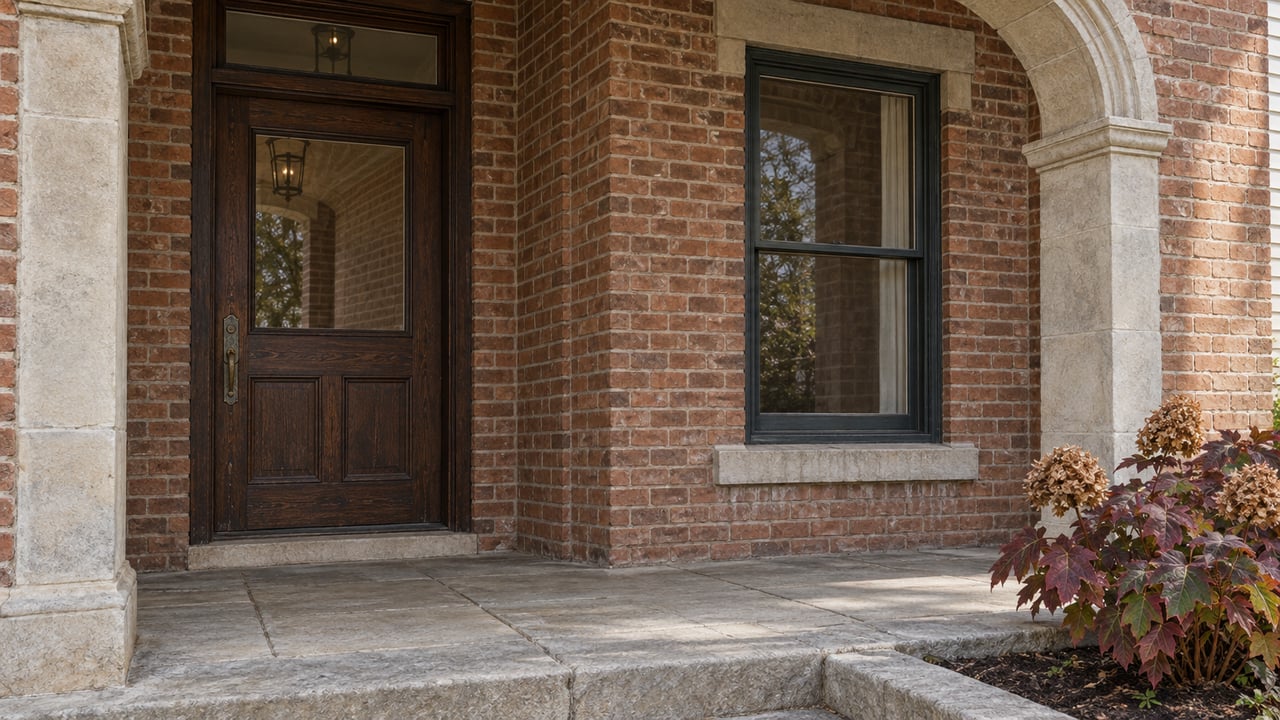
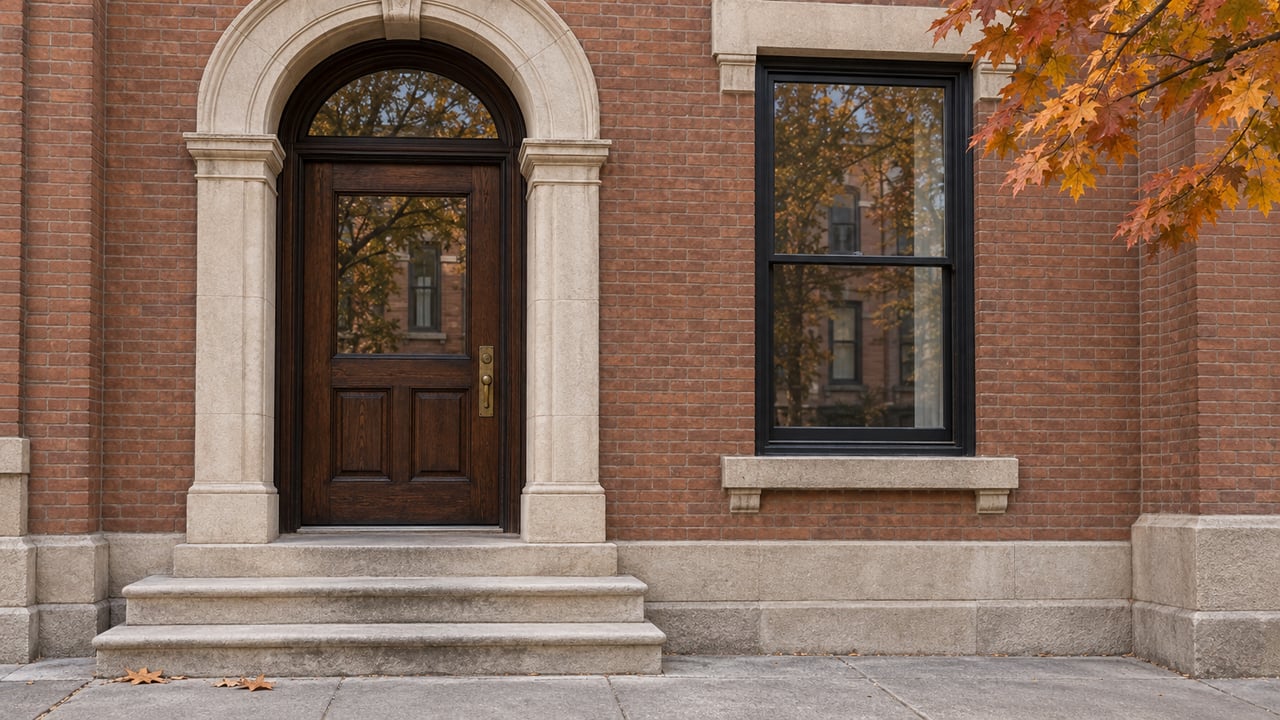
You will see Queen Anne, Romanesque, and Beaux‑Arts styles in heavy limestone or brick with carved ornament and tall cornices. Many are single‑family homes or large townhouses, and some were converted to multi‑unit residences. Astor Street showcases the classic examples. The Chicago Architecture Center’s Astor Street guide offers a clear style overview.
What to watch: masonry condition and tuckpointing, roof and cornice health, and older plumbing or electrical systems. For stone and brick, the National Park Service’s best practices for repointing outline why mortar type matters and how to approach repairs conservatively. See the NPS technical brief on repointing mortar joints in historic masonry.
Pre‑war vintage co‑ops and full‑service buildings
Pre‑1940s mid‑ and high‑rises deliver gracious foyers, formal living and dining rooms, crown moldings, and central boiler heat. Many remain cooperatives while others converted to condominiums. In co‑ops, monthly maintenance often bundles some building costs, such as the building’s property tax portion, insurance, heat, and operations. Learn the basics of co‑op structure and proprietary leases from Illinois Legal Aid’s co‑op overview.
What to watch: co‑op board approval requirements, historic window condition, and the building’s capital plan. Ask for recent reserve studies, minutes, and a track record of major projects.
Mid‑century mid‑rises
Built from the 1950s to the 1970s, these brick or cast‑stone buildings often have boutique floor plans, with a handful of homes per floor. Systems like boilers, roofs, and elevators typically hit upgrade cycles around the 40 to 60‑year mark. Ask specifically about elevator modernization, roof age, and any façade work.
Modern glass and steel towers
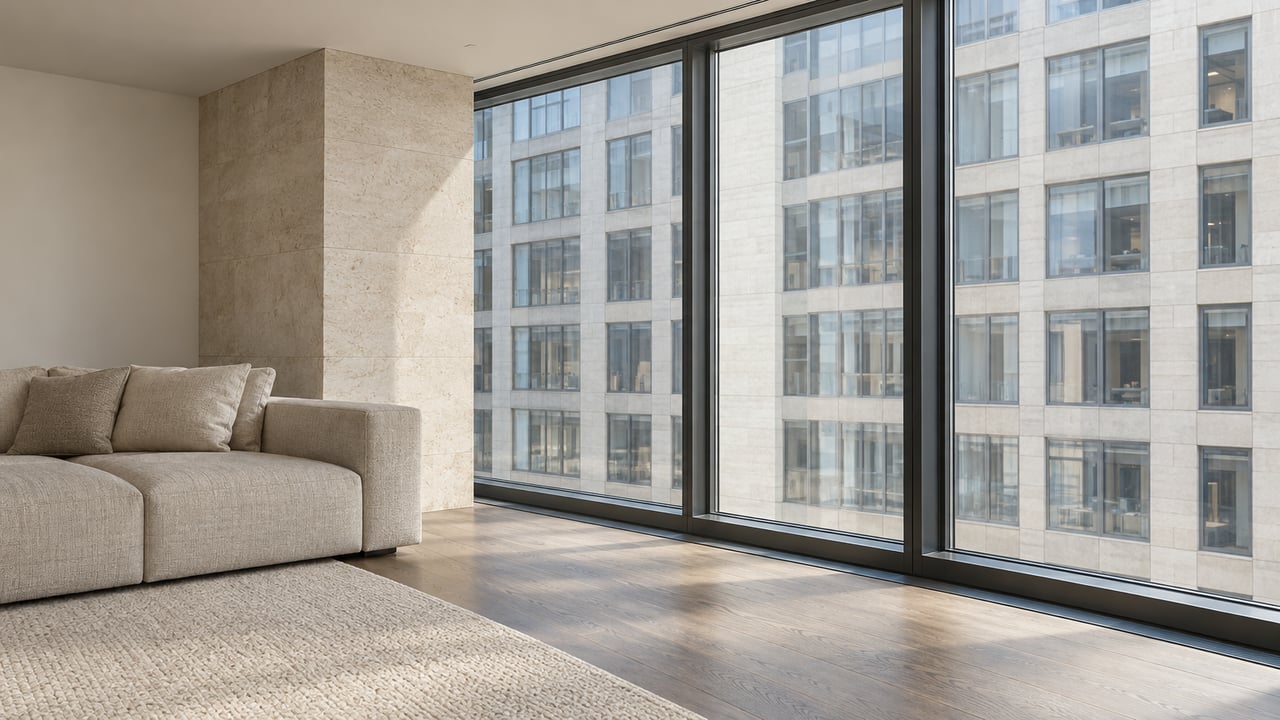
From the mid‑century International Style to contemporary skyline anchors, towers offer light, views, and amenities. A signature example is Mies van der Rohe’s 860–880 Lake Shore Drive, an early glass and steel landmark that introduced curtain‑wall living to the neighborhood.
What to watch: curtain‑wall and glazing maintenance, window resealing history, elevator reliability, and rooftop or mechanical plant upgrades. These line items often drive larger operating budgets and can lead to special assessments if reserves lag.
Floor plans and daily life
Mansions and townhouses deliver multi‑level living with formal rooms and private outdoor space. You will feel the scale and craftsmanship, and you will also manage more envelope and mechanical upkeep.
Pre‑war co‑ops often feature full‑floor or floor‑through layouts, a grand entry foyer, and distinct wings that separate private bedrooms from public entertaining rooms. Some owners open walls for a more contemporary flow while keeping the character.
Mid‑century and newer condos tend to favor open kitchens, integrated living and dining, in‑unit laundry, and building amenities. In high‑rises, floor level and orientation toward the lake or city can influence light, wind, and price. Higher floors and unobstructed lake views commonly command a premium.
Ownership, monthly costs, and financing
Condominiums give you title to your unit and a share of the common elements. Associations collect monthly assessments to fund operations, insurance, and reserves. Illinois association law gives boards authority to levy assessments and, when needed, special assessments. You can scan a summary of state statutes via this Illinois condominium law overview.
Co‑ops are different. You buy shares in a corporation and receive a proprietary lease to your unit. Monthly maintenance often includes the building’s property tax share, utilities, insurance, and operations, since the co‑op receives the tax bill and manages building‑level costs. Get familiar with the structure through Illinois Legal Aid’s co‑op guide.
Financing can differ for co‑ops and condos, and some lenders have unique underwriting rules for co‑ops. It is smart to confirm terms early if you are considering a co‑op purchase. See a high‑level outline of lender considerations in this cooperative housing overview.
Property taxes matter in your monthly budget. Cook County classifies residential property and publishes exemption and appeals guidance that can affect your bill. For calendars and rules, consult the Cook County Assessor.
Maintenance and capital projects that drive assessments
- Masonry and stone façades. Mortar failure, cracked limestone or terra cotta, and aging cornices are common in mansions, rowhouses, and many pre‑war buildings. Review any façade reports, scope for tuckpointing, and roof replacement history. The NPS brief on historic masonry repointing explains why method and materials matter.
- Windows and frames. Many pre‑war buildings retain wood windows. Understand repair versus replacement plans and, in landmark contexts, any approval requirements.
- Curtain walls and glazing. Towers require periodic resealing, glass replacement, and anchor inspections. These are specialized and can be expensive.
- Elevators, boilers, and HVAC. Modernizations often occur on multi‑decade cycles and can spark special assessments if reserves are thin.
Monthly assessments cover operating costs and reserve contributions. Special assessments are one‑time charges to fund unexpected or deferred capital work. Boards set and enforce these under Illinois law, summarized here: Illinois condo association powers.
Buyer due‑diligence checklist
Before you write an offer, ask for and review the following:
- Building type and era. Know if you are evaluating a mansion, a pre‑war co‑op, a mid‑century mid‑rise, or a modern tower. It sets your inspection focus. The Astor Street overview is a quick style decoder.
- Association or co‑op documents. For condos, request the current budget, recent financials, reserve study, and board minutes for the last 12 to 36 months. For co‑ops, request the proprietary lease, bylaws, minutes, and how taxes are allocated. See a primer on co‑ops from Illinois Legal Aid.
- Recent and pending capital projects. Ask for details on roof, façade, window, elevator, and mechanical work. If none are listed, ask about deferred items.
- Insurance coverage and deductibles. Understand the master policy, what it covers, and how claims are shared between building and unit owners.
- Permit and violation history. Look up recent exterior work and any open items. A neighborhood mapping resource like ChicagoCityscape’s Gold Coast NRHP page can help you see permit patterns.
- Landmark or historic status. If the property is locally designated, confirm whether exterior changes need commission review, and whether prior approvals exist. Start with the city’s landmarks commission context.
- Financing and insurance check. Confirm with your lender how they treat co‑ops versus condos. Some insurers price older buildings differently. A lender overview is here: co‑op financing basics.
- Inspector selection. For mansions and masonry façades, consider an inspector or engineer experienced in historic masonry. For towers, an envelope or façade specialist may be appropriate. The NPS masonry brief above helps set a conservative lens.
- Property taxes. Review current tax history and any exemptions. For appeals and classification, consult the Cook County Assessor.
Architectural style cheat sheet
- Queen Anne: asymmetry, bay windows, occasional turrets, varied textures and materials.
- Romanesque Revival: heavy stone, rounded arches, bold entry surrounds.
- Beaux‑Arts/Georgian Revival: symmetry, classical details, formal entries.
- International Style: clean glass grids, visible vertical mullions, minimal ornament.
How to scan a condo or co‑op budget in 3 minutes
- Reserves. Compare reserve balance to building size and age. Ask if a formal reserve study guides contributions.
- Special assessments. Note recent or scheduled assessments, their purpose, and per‑unit costs.
- Big projects. Identify committed items like elevator modernizations, façade programs, or roof replacements, plus timing and funding plan.
Quick open house checklist
- Floor level and orientation. Confirm light, view, and wind exposure.
- Water and windows. Look for signs of water intrusion and check window operation and seals.
- Mechanical notes. Listen for elevator noise and ask about modernization dates.
- Envelope clues. Outside, scan for fresh tuckpointing, scaffold history, or sidewalk sheds that signal active façade work.
- Smell and surfaces. Musty odors can point to old plumbing or moisture. Hairline cracks near cornices or corbels can indicate movement worth investigating.
The bottom line
The Gold Coast offers a rare mix of historic craftsmanship and modern convenience. Your best move is to align building type with how you want to live, then read the documents and capital history with a clear plan. As of February 2026, the neighborhood’s median sale price was about 585,000 dollars, but product type and view drive big swings. With the right guidance, you can secure the look you love and the numbers that make sense.
If you want a private, data‑driven search with expert document review and concierge‑level service across the Gold Coast, connect with the Fu Group. Our team pairs deep local knowledge with structured buyer representation, valuation tools, and seamless transaction management.
FAQs
What is the Gold Coast Historic District and why does it matter?
- The core neighborhood is a federally listed district that recognizes architectural significance, and local landmark rules can affect exterior work, so you should confirm designations and approvals before renovations. See the district summary.
How are co‑op monthly costs different from condo assessments in Chicago?
- Co‑op maintenance often bundles the building’s property tax share and some utilities, while condo assessments fund operations and reserves and you pay your unit’s property taxes directly. Read the Illinois Legal Aid co‑op guide.
What inspections are most important for historic mansions and rowhouses?
- Focus on masonry and roof condition, mortar health, window integrity, and mechanical systems, and consider an inspector versed in historic masonry using the NPS repointing guidance.
What should I ask about when buying in a glass or steel high‑rise?
- Ask for records on curtain‑wall and window resealing, elevator modernization, rooftop systems, and any multi‑year façade programs, and use a tower‑savvy inspector when needed. For context on early glass towers, see 860–880 Lake Shore Drive.
How do Cook County property taxes and appeals affect my monthly costs?
- Classification, exemptions, and appeals can change your annual bill, which influences monthly budgeting, so review current tax data and calendars with the Cook County Assessor.