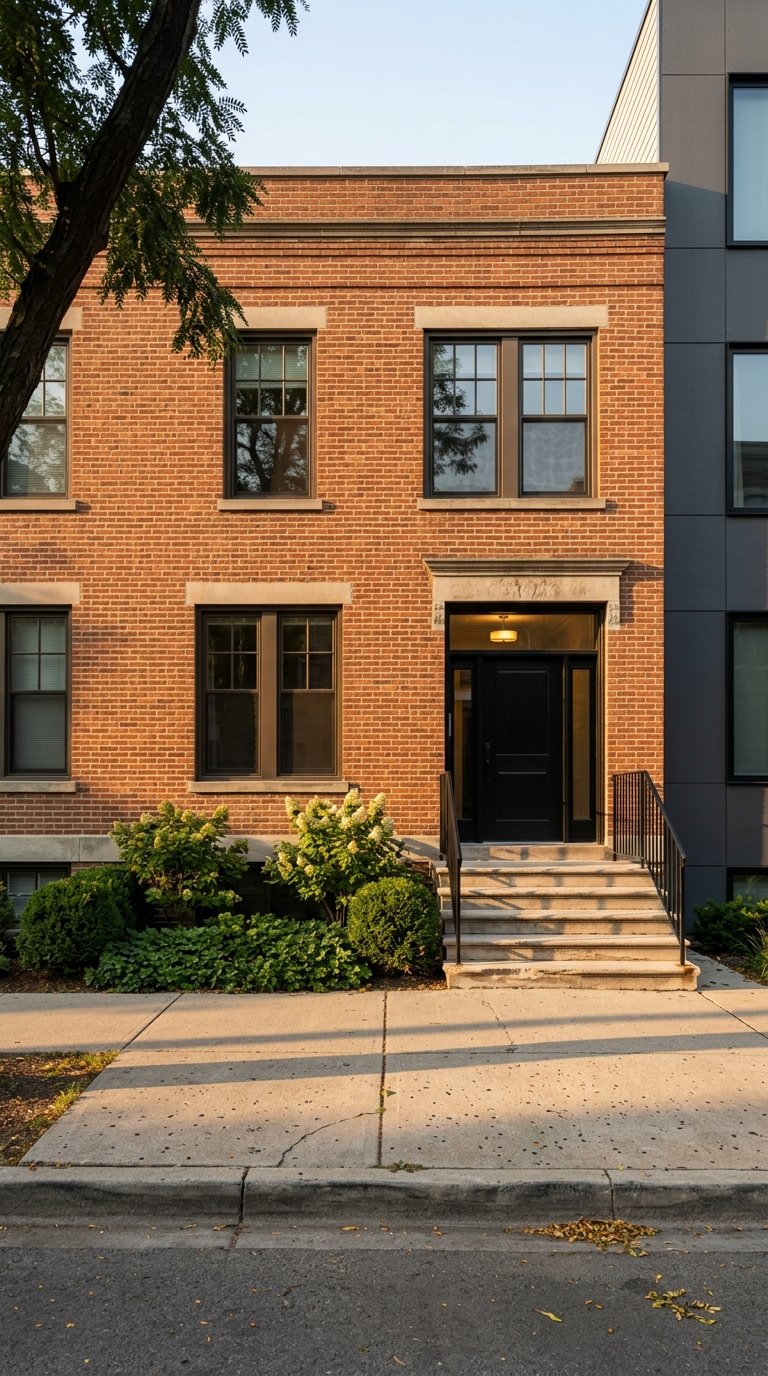
Trying to choose between Logan Square and Lake View for your first home? You are not alone. Many Chicago buyers assume one will be far more affordable than the other, but the headline pricing is actually closer than expected. The real decision usually comes down to home type, monthly ownership costs, transit needs, and lifestyle fit. Let’s dive in.
Price Comparison First
If you are starting with price alone, the gap is surprisingly small. According to Redfin’s Logan Square housing market data, Logan Square’s median sale price was $557,500 in February 2026, while Lake View came in at $562,000.
That means you may not be choosing between a clearly cheaper neighborhood and a clearly pricier one. Instead, you are more likely choosing between different kinds of homes at similar price points. Logan Square also posted a median price per square foot of $378, compared with $365 in Lake View, while homes took 68 days to sell in Logan Square versus 56 days in Lake View.
Housing Stock Matters More
For many first-time buyers, the better question is not “Which neighborhood is cheaper?” but “Which neighborhood offers the kind of first home that fits my life?” This is where Logan Square and Lake View start to separate.
Logan Square Homes
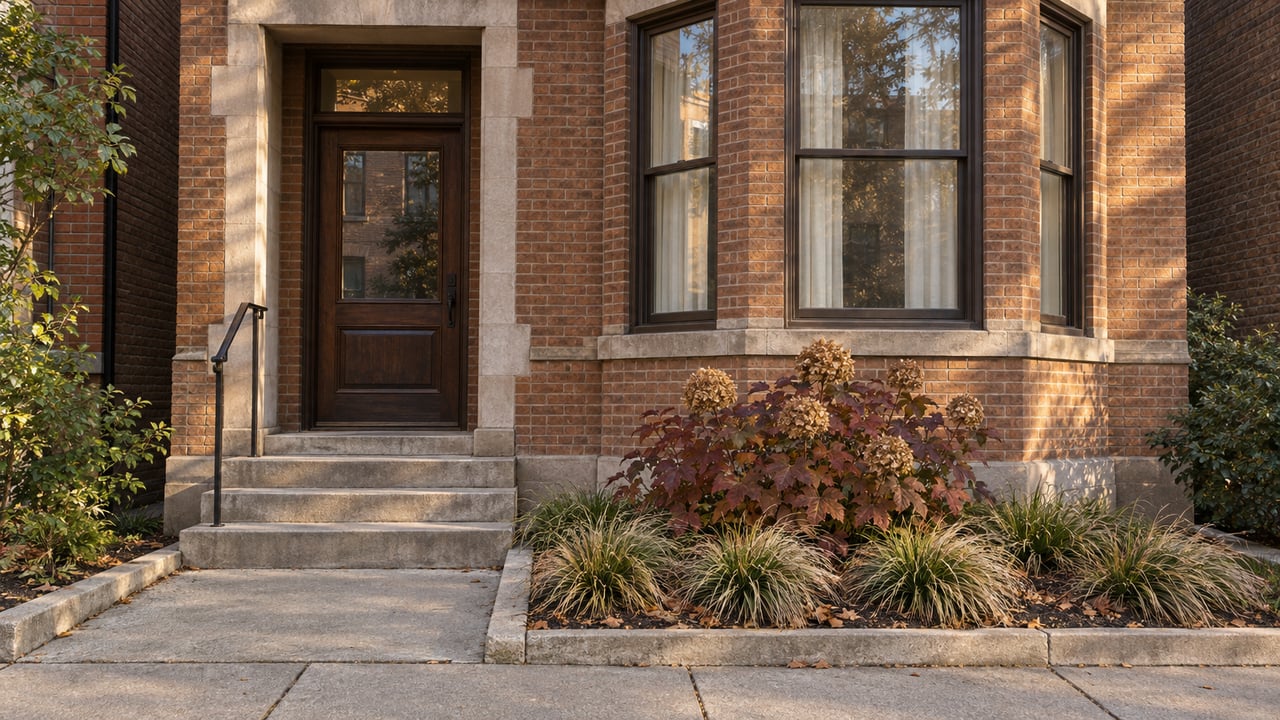
CMAP’s Logan Square snapshot shows a housing mix with more older, smaller-scale buildings. Detached single-family homes make up 14.8% of the stock, 17.1% is in two-unit buildings, and 27.3% is in three- or four-unit buildings.
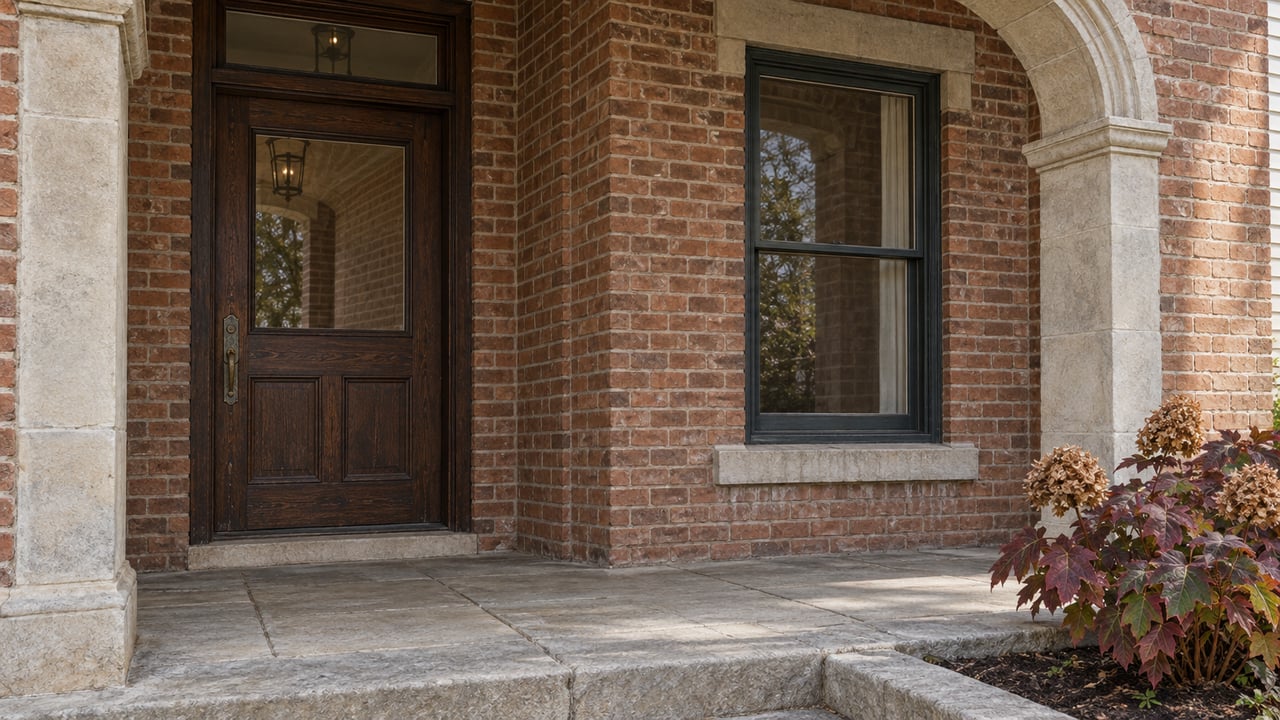
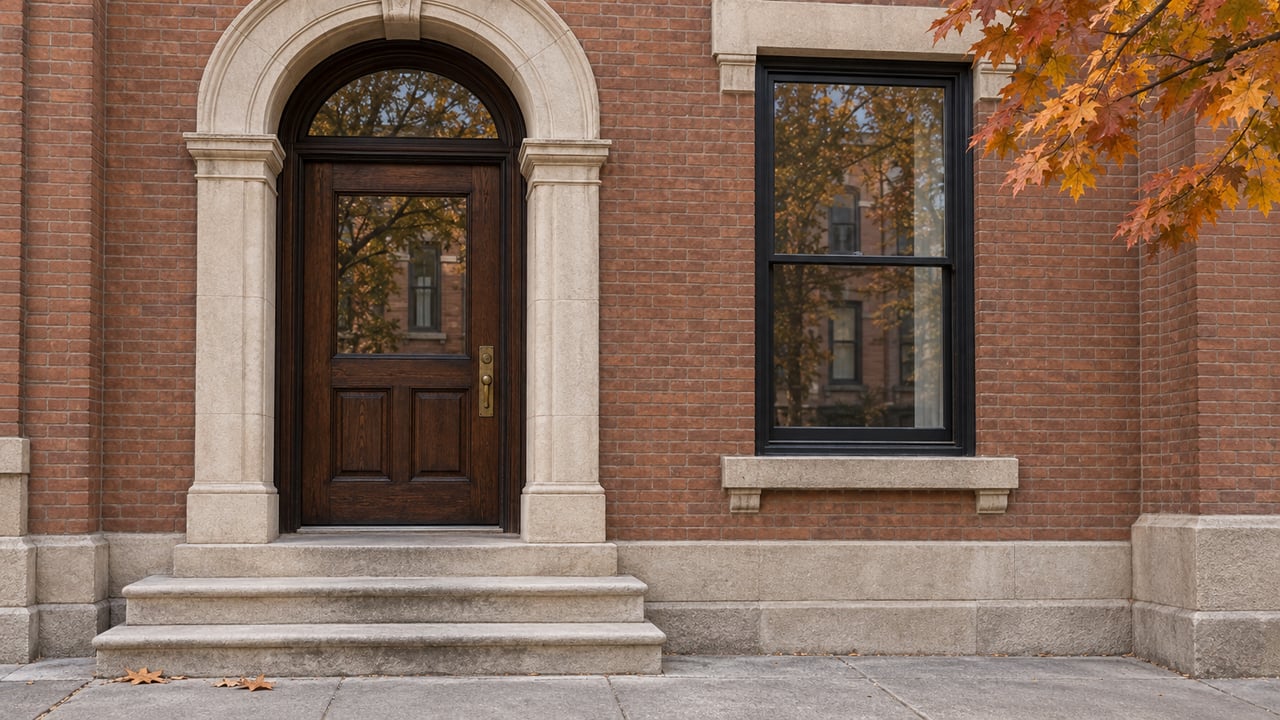
The neighborhood also skews older. 60.2% of housing stock was built before 1940, and the median year built is 1932. For you, that can mean more vintage details, more masonry buildings, and more opportunities to find a home with character and a bit more space.
Logan Square also has a stronger share of larger units for city living. CMAP reports 39.6% two-bedroom units and 24.4% three-bedroom units. If you want room for a home office, a guest room, or a longer-term first purchase, that mix may feel appealing.
Lake View Homes
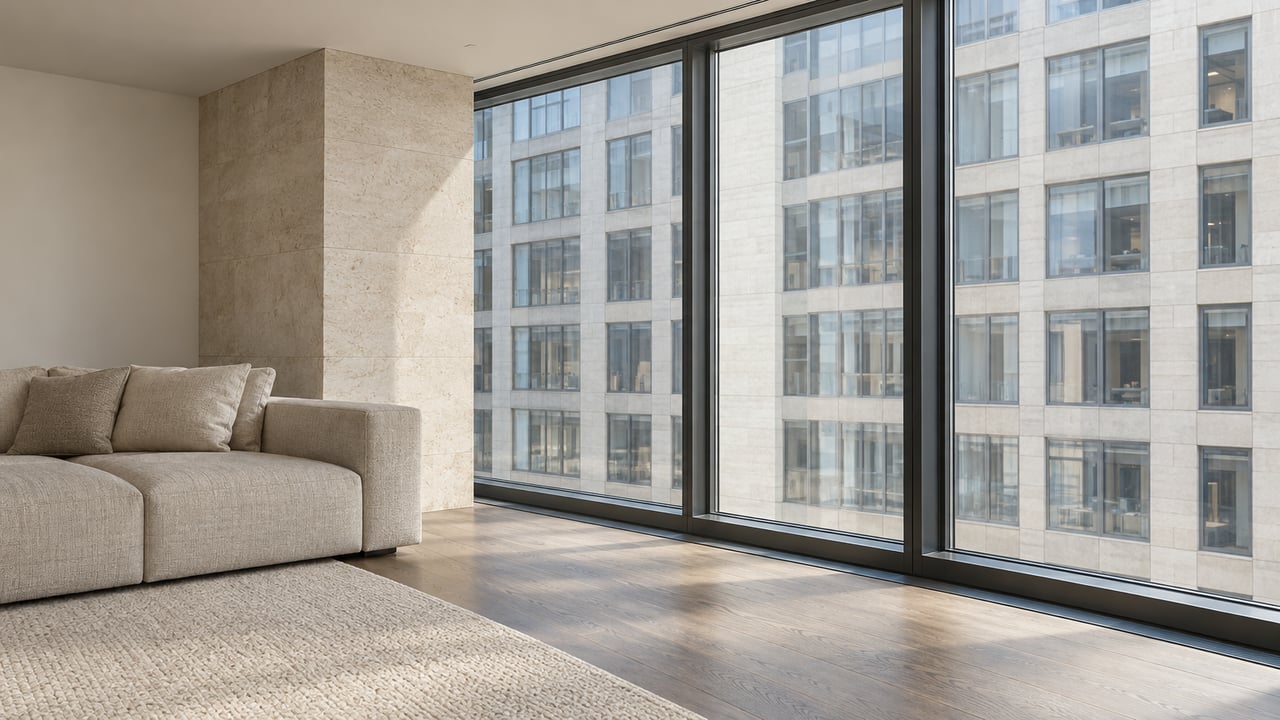
CMAP’s Lake View snapshot paints a different picture. Lake View is much more condo- and apartment-heavy, with 70.8% of housing units in buildings with five or more units.
Detached single-family homes account for just 6.3% of the housing stock, while 5.4% is in two-unit buildings and 14.8% is in three- or four-unit buildings. The median year built is 1962, and 45.4% of units are studios or one-bedrooms, with another 32.7% in two-bedroom units.
For a first-time buyer, that usually points to a broader pool of smaller, more entry-level condo options. If you are moving from renting and want a simpler ownership step, Lake View may offer a more familiar path.
What This Means for Monthly Costs
The median sale prices are close, but your monthly carrying costs may not feel close at all. The research suggests the bigger difference between these neighborhoods is often the home type mix rather than the sticker price.
In practical terms, a vintage Logan Square condo, two-flat unit, or small detached home may offer more square footage or character, but older housing can also come with more maintenance exposure over time. In Lake View, a smaller condo may offer lower upkeep demands for day-to-day living, though your total monthly cost will still depend on factors like HOA dues, taxes, insurance, and financing.
That is why first-time buyers should compare more than list price. You want to look at the full picture:
- Mortgage payment
- Property taxes
- HOA dues, if applicable
- Insurance
- Utilities
- Expected maintenance or updates
- Transportation costs
Transit and Car-Light Living
If commuting and transportation costs are a big part of your decision, Lake View has the stronger transit story on paper.
Logan Square Transit
Choose Chicago’s Logan Square guide notes that the neighborhood is served by the CTA Blue Line, including the California stop, along with several bus routes. CMAP reports that 23.2% of workers commute by transit, 21.4% of households have no vehicle, and average annual vehicle miles traveled are 8,315 per household.
That still makes Logan Square a solid city neighborhood for transit access. But it may be a slightly less natural fit if your goal is to minimize car ownership as much as possible.
Lake View Transit
Choose Chicago’s Lake View guide highlights service from the Brown, Red, and Purple Lines, plus several bus routes. CTA also identifies Belmont as a major transfer station in Lakeview through its RPM project overview.
CMAP reports that 32.3% of workers in Lake View commute by transit, 40.4% of households have no vehicle, and average annual vehicle miles traveled are 5,324 per household. If you want more route redundancy and a stronger chance of living car-light, Lake View stands out.
Lifestyle: Which Daily Routine Fits You?
Buying your first home is not just about the property. It is also about what your weeknights, weekends, and everyday routines will feel like.
Logan Square Lifestyle
Choose Chicago describes Logan Square as a multicultural community with arts organizations, music venues, locally owned shops, and a notable restaurant and bar scene. The area is also known for events such as the Logan Square Arts Festival, Taste of Polonia, and the Chicago Underground Film Festival.
If you are drawn to neighborhood character, independent businesses, and a strong local arts-and-dining identity, Logan Square may feel especially compelling. The Milwaukee corridor’s breweries, patios, and nightlife are part of that draw.
Lake View Lifestyle
Choose Chicago’s Lake View overview emphasizes a broader entertainment mix. It highlights lakefront access, Northalsted, Wrigleyville, the Belmont Theater District, the Music Box Theatre, the Laugh Factory, and venues such as Metro, Schuba’s, and The Vic.
Lake View may fit you better if you want more entertainment variety, lakefront access, and a neighborhood with multiple distinct activity hubs. For many buyers, that creates an easy transition from renting into ownership without giving up convenience or energy.
Long-Term Considerations
Your first home is also a financial decision, so it helps to think beyond move-in day.
Logan Square Upside
CMAP notes that the Logan Square Blue Line ETOD Action Plan is being developed with local partners to support community-led solutions around the station area. For buyers, that points to continued attention around transit-oriented planning.
Combined with Logan Square’s older housing stock, this may appeal if you are comfortable with vintage buildings and want potential value-add upside through thoughtful updates. At the same time, older homes can require more capital planning, so you will want to evaluate condition carefully.
Lake View Stability
CTA says RPM Phase One was substantially completed in 2025, with more work in 2026 involving space under the new tracks and redevelopment tied to land used during the project. That supports the idea of Lake View as a transit-rich neighborhood with ongoing infrastructure reinvestment.
For a first-time buyer, that can translate into confidence around connectivity and resale liquidity. It may not offer the same renovation-oriented appeal as Logan Square, but it does offer a strong case for convenience and easier future marketability.
Quick Decision Guide
If you are stuck between the two, this simple framework can help.
Choose Logan Square If You Want
- More vintage character
- A better chance at a larger home
- More two- to four-unit building options
- A neighborhood known for arts, dining, and local business character
- Potential upside through updates or renovation
Choose Lake View If You Want
- A broader pool of smaller condos
- Easier car-light living
- More transit options and route redundancy
- Faster market turnover
- Lakefront access and a wider entertainment mix
The Best Fit for First-Time Buyers
For many first-time buyers, this comes down to a simple tradeoff. Logan Square leans toward more space, older character, and potential renovation upside. Lake View leans toward smaller condo inventory, stronger transit flexibility, and faster resale movement.
Neither choice is automatically better. The right move depends on how you want to live now, what level of maintenance you are comfortable with, and what kind of first-home strategy fits your budget and timeline.
If you want help comparing specific listings, ownership costs, and resale considerations in both neighborhoods, Fu Group can help you build a smart, data-driven search strategy tailored to your first purchase.
FAQs
What is the price difference between Logan Square and Lake View for first-time buyers?
- Based on February 2026 Redfin data, Logan Square had a median sale price of $557,500 and Lake View had a median sale price of $562,000, so the headline pricing was very close.
Which neighborhood has more condo options for first-time buyers, Logan Square or Lake View?
- Lake View appears to have the stronger condo supply because 70.8% of its housing units are in buildings with five or more units, according to CMAP.
Which neighborhood offers more vintage housing, Logan Square or Lake View?
- Logan Square has the older housing profile, with 60.2% of its housing stock built before 1940 and a median year built of 1932.
Which neighborhood is better for car-light living, Logan Square or Lake View?
- Lake View has the stronger transit profile, with access to the Brown, Red, and Purple Lines, a higher transit commuting share, and a larger percentage of households without a vehicle.
Which neighborhood may offer more space for a first home, Logan Square or Lake View?
- Logan Square may offer a better chance at more space because it has a larger share of two-bedroom and three-bedroom units, along with more two- to four-unit housing stock.
Which neighborhood may resell faster, Logan Square or Lake View?
- Based on Redfin’s February 2026 neighborhood snapshot, homes in Lake View were selling faster, with 56 days on market versus 68 days in Logan Square.