Trying to decide between a Bucktown condo and a Wicker Park condo? You’re not alone. These neighboring Chicago hot spots sit side by side, yet the daily feel, condo styles, and even noise levels can be very different block to block. In this guide, you’ll learn how each neighborhood lives, what condo products are most common, and how to set up a smart search that matches your lifestyle. Let’s dive in.
Bucktown vs Wicker Park at a glance
Bucktown and Wicker Park share the Milwaukee Avenue corridor and a highly walkable, urban vibe. Still, they function as distinct micro-markets with different rhythms. Wicker Park centers on a denser commercial core, with nightlife and a strong creative identity near Division, Damen, and Milwaukee. Bucktown reads a bit more residential on its side streets, with design shops, boutiques, and newer infill construction.
Neighborhood lines can shift depending on the map you use. For the most accurate boundary work, rely on MLS neighborhood polygons and official resources from the City of Chicago neighborhood maps.
Condo types you will see
Wicker Park condo styles
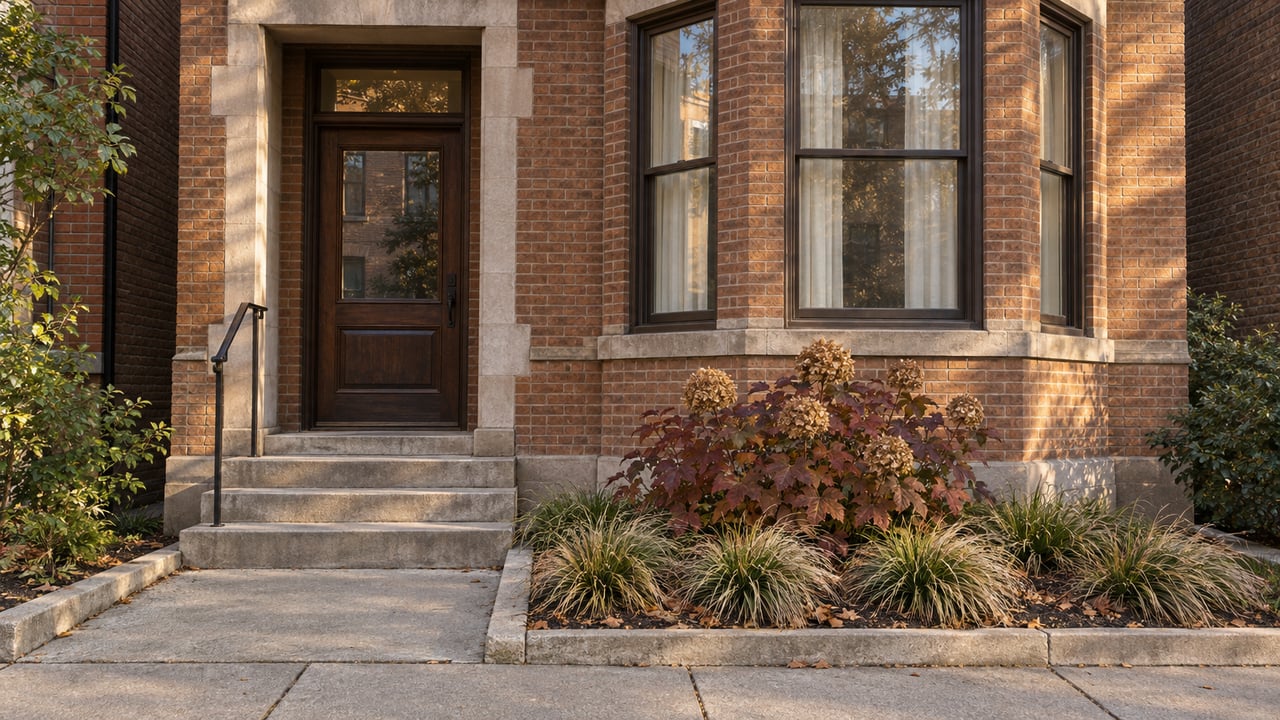
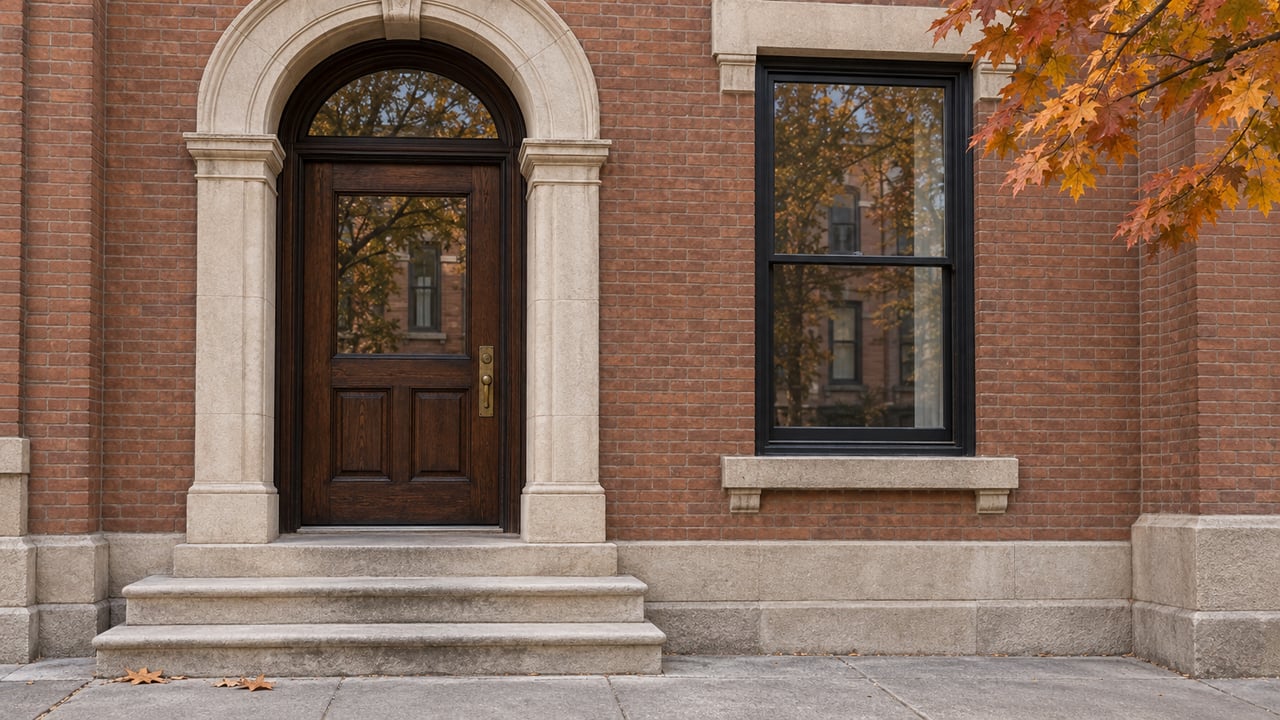
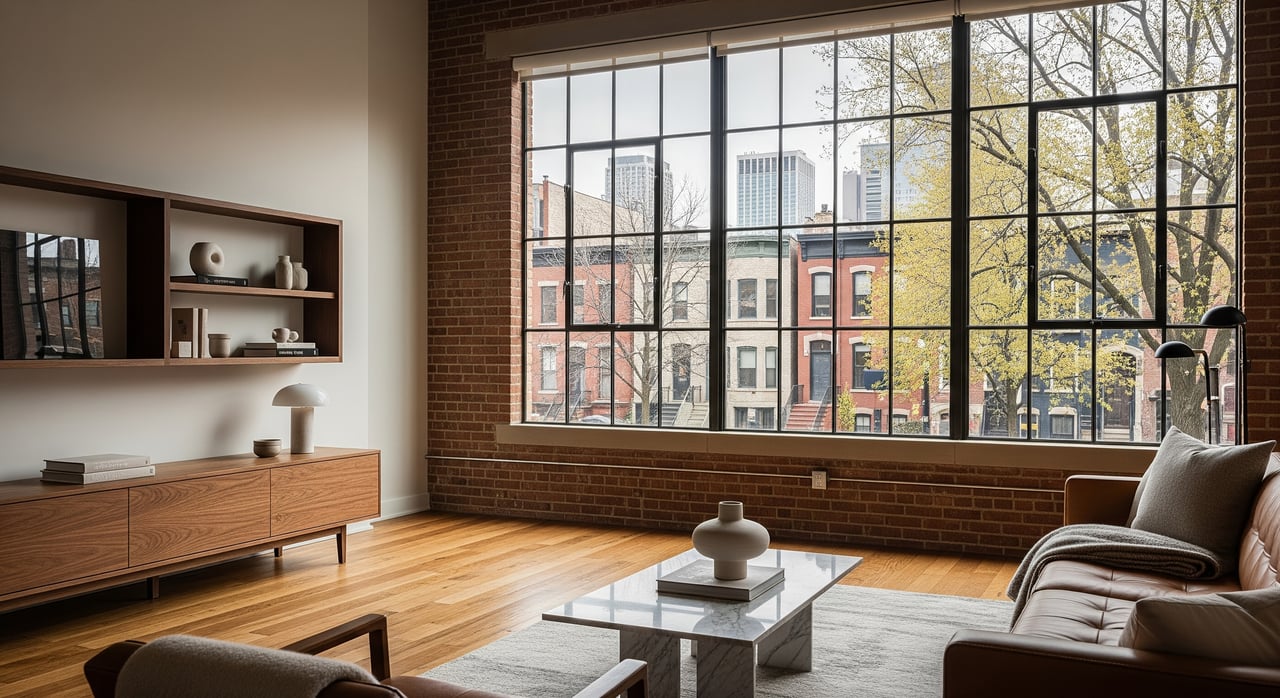
You will see more vintage buildings and loft conversions in Wicker Park. Many homes here started as commercial or industrial spaces, now repurposed into condos with open plans, exposed brick, and high ceilings. These buildings usually offer fewer in-house amenities than new mid-rises, and parking can be limited. Renovation levels vary widely, from preserved vintage features to fully updated boutique condos.
Bucktown condo styles
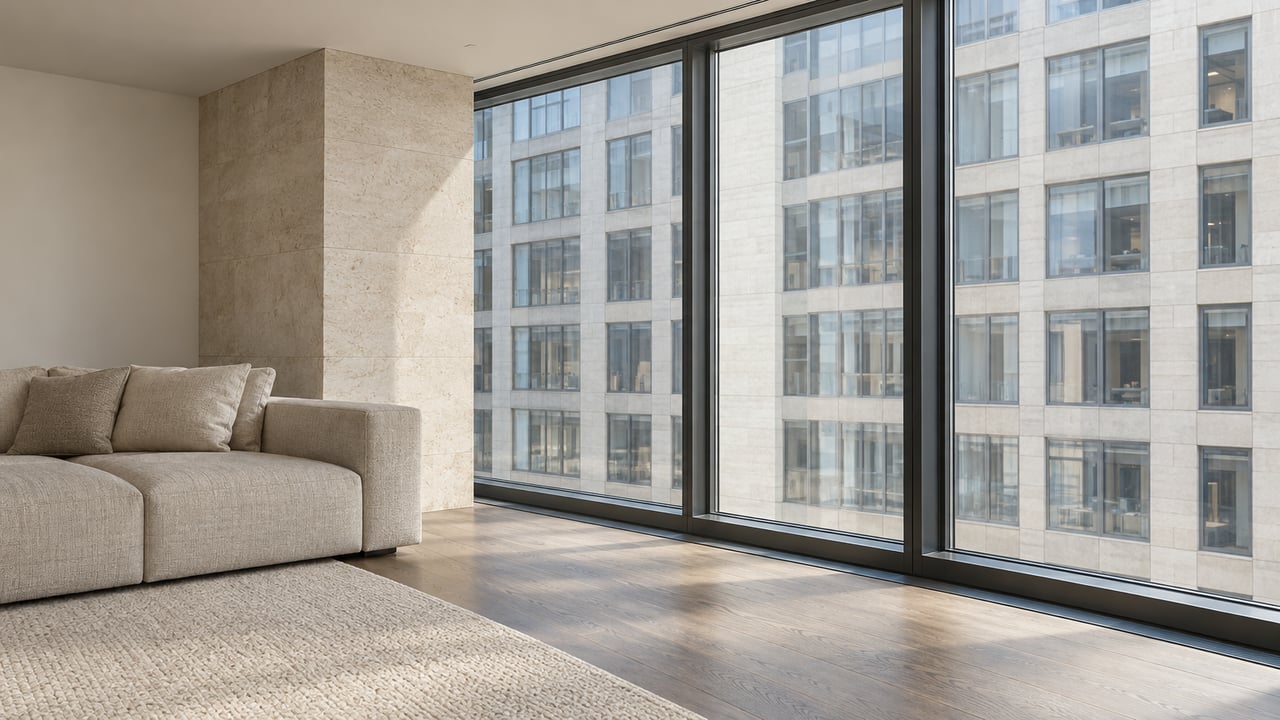
Bucktown features a larger share of recent infill and new construction, including mid-rise buildings with elevators, rooftop decks, package rooms, and heated parking. You’ll also find townhome and rowhouse-style condos, plus select fee-simple townhomes that live like single-family homes. These options often appeal to buyers who want more space, private outdoor areas, and a quieter block while staying close to dining and shopping.
Amenities, HOA fees, and tradeoffs
Historic walk-ups and loft conversions tend to have fewer amenities and sometimes lower HOA fees. You may see tradeoffs like limited on-site parking and more individualized maintenance issues, which can raise the risk of special assessments. Newer mid-rises usually deliver more features, such as secured entry, a gym, rooftop space, and attached parking, along with higher assessments that cover amenities, insurance, and reserves.
Key HOA items to review include reserve levels, pet rules, rental caps, assigned parking details, and the management company’s reputation. Ask for recent board meeting minutes to uncover upcoming projects and association priorities. A careful read of the budget and last five years of special assessments can save you from surprises later.
Lifestyle: dining, parks, and noise
Wicker Park’s core near Division, Damen, and Milwaukee is lively most nights, with restaurants, bars, cafés, and music venues. Bucktown offers quality dining and design-forward retail, but with activity spread across different nodes, it feels less intense after dark on many side streets. Both neighborhoods are highly walkable and offer seasonal street life, outdoor dining, and pocket parks.
If you want quieter evenings, prioritize block-level specifics. Units facing active streets or above bars and restaurants tend to have more late-night noise, particularly in central Wicker Park. Look for interior-facing homes, higher floors, or buildings set back from main corridors. For green space, check proximity to pocket parks and playgrounds, not just the neighborhood label.
Transit and commuting essentials
Both neighborhoods score high for transit access, with multiple bus routes and CTA rail connections nearby. Proximity to stations like Damen or Division can shorten your door-to-door commute. For current maps and routes, use the CTA rail map and stations.
Cyclists enjoy strong bike infrastructure, and Milwaukee Avenue is a major bike corridor. If you rely on walkability and transit, plug exact addresses into Walk Score for address-level walkability and transit scores to compare blocks. Drivers should factor in access to the Kennedy Expressway and peak-hour traffic patterns.
Parking and car ownership
Parking differs widely by building and block. Newer mid-rises often include garage or assigned parking, which can be a deciding factor. Older conversions may rely on street parking or leased spots off-site. If a parking space is essential, filter listings for “parking included” or “garage” and confirm whether a spot is deeded, assigned, or licensed.
Which neighborhood fits your goals
- You want a vibrant scene and character-rich homes: Start in Wicker Park near the Division, Damen, and Milwaukee corridors, then compare side streets one to two blocks off the main action for a balance of energy and privacy.
- You prefer modern amenities and a quieter block: Focus on Bucktown mid-rises and townhome-style condos, especially on residential side streets set back from North Avenue and Milwaukee.
- You need quick transit options: Prioritize any address with a short walk to CTA rail or major bus lines. For precise commute planning, check the CTA site for routes and travel planning.
- You value outdoor space: Look for balconies, terraces, shared rooftops, or townhomes with private yards. In both neighborhoods, outdoor space is a key differentiator in the same price band.
Set up a smarter search
Map-based targeting beats broad neighborhood labels. Draw polygons around blocks you like and exclude areas with late-night noise if that matters. For a data-driven approach, the local MLS is your foundation. Your agent can pull custom alerts and comps from MRED, the local MLS and pair them with on-the-ground insights.
Create multiple alerts that reflect your tradeoffs. For example:
- “Newer mid-rise with parking near CTA”
- “Historic loft under a set price, no parking ok”
- “Townhome-style condo with outdoor space”
Use keywords like “loft,” “exposed brick,” “elevator,” “roof deck,” and “assigned parking.” Cap monthly HOA fees based on your budget and filter for days on market and price reductions to catch both fast movers and value plays. For street-level convenience, check Walk Score’s address pages for a quick read on daily needs.
Buyer due diligence checklist
- Association financials: Review reserves, annual budget, and special assessments over the last five years.
- Rental and pet policies: Confirm any caps, minimum lease lengths, and pet size or count limits.
- Parking details: Verify whether the space is deeded, assigned, or a license agreement, and confirm location and fees.
- Building condition: Ask about roof age, tuckpointing, plumbing stacks, elevator service, and any planned capital projects.
- Meeting minutes: Read recent board minutes for upcoming work and quality-of-life notes.
- Taxes and assessments: Look up current tax info with the Cook County Assessor and payment status with the Cook County Treasurer.
If you want broader trend context, review local market insights from the Chicago Association of REALTORS market reports. For planning, zoning, and neighborhood map references, consult the City of Chicago site. For openings and neighborhood developments, local reporting from the Chicago Tribune’s real estate and neighborhood coverage can add color.
Work with a local advisor
Choosing between Bucktown and Wicker Park often comes down to block-level nuance. Two addresses a few minutes apart can feel very different at night, on weekends, or during the commute rush. A strategic search that blends map targeting, building-level due diligence, and on-the-ground tours will help you find the right fit with confidence.
If you want a curated, white-glove process from first alert to closing, our team is here to help. Fu Group pairs editorial-grade marketing with deep local expertise and concierge buyer representation. Schedule a private consultation and let’s build a search that fits how you want to live.
FAQs
What is the key difference between Bucktown and Wicker Park condos?
- Wicker Park skews toward historic buildings and loft conversions near a lively commercial core, while Bucktown offers more new construction, mid-rise amenities, and quieter residential side streets.
How noisy are condos near Division, Damen, and Milwaukee in Wicker Park?
- Condos on or facing active streets near the core tend to experience more late-night activity; interior-facing units, higher floors, or homes one to two blocks off the corridor are typically quieter.
Do most Bucktown or Wicker Park condos include parking?
- Many newer Bucktown mid-rises include garage or assigned parking, while older Wicker Park conversions often rely on street or leased parking; always verify the type of parking and associated fees.
What HOA issues should I review before buying a condo here?
- Focus on reserves, recent and planned special assessments, rental and pet policies, management reputation, and any capital projects affecting building envelopes, elevators, or shared roofs.
How can I check commute options for a specific address in these neighborhoods?
- Start with the CTA website for route maps and planning and use Walk Score’s address tools to compare walk, transit, and bike scores across blocks.
Where can I find reliable property tax details for a condo purchase?
- Use the Cook County Assessor for assessed values and the Cook County Treasurer for payment status and tax history.
How should I set up listing alerts to compare Bucktown and Wicker Park?
- Draw map polygons around the exact blocks you prefer, create separate alerts by product type and must-have features, and have your agent pull data-backed updates from MRED’s MLS.