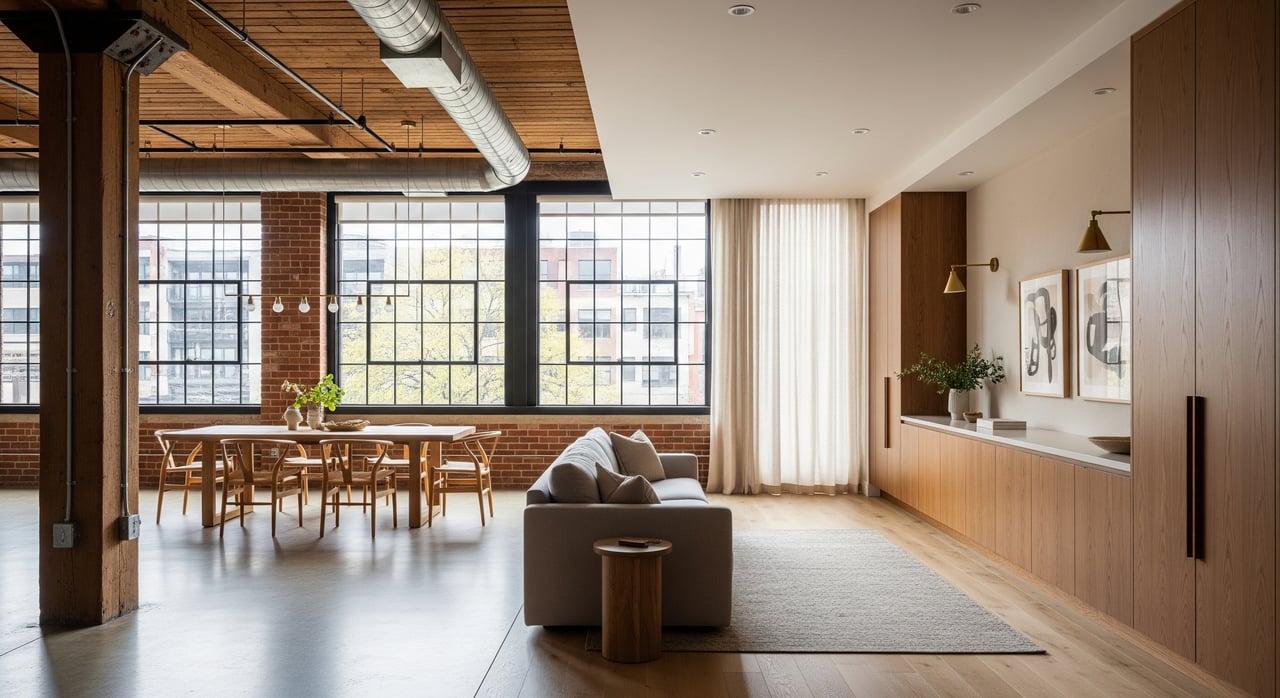
You love the Bucktown and Wicker Park vibe, and the loft lifestyle is calling. The question is, do you want an authentic, converted loft with history in its bones or a newer soft loft with the same look and fewer surprises? It is a real choice that affects how your home feels, performs, and holds value over time.
In this guide, you will compare soft lofts and true lofts through the lens of these neighborhoods. You will learn what to look for in structure, light, sound, maintenance, and resale. You will also get a practical checklist to use during showings. Let’s dive in.
What is a true loft?
A true loft is a residential conversion of a former industrial, warehouse, or commercial building. In Wicker Park and Bucktown, many came from masonry and timber structures that once housed manufacturing or storage. The appeal is the real materiality you can see and touch.
Key traits include heavy masonry exterior walls, exposed timber or steel beams, very high ceilings, and large factory-style windows. Floors are often original wood plank or poured concrete. You may see visible ductwork and piping, since many systems were retrofitted during conversion.
Expect character and quirks. Some conversions were completed decades ago with multiple rounds of upgrades to electrical, plumbing, HVAC, and windows. Buildings may fall under historic preservation rules that guide exterior work and window replacements.
What is a soft loft?
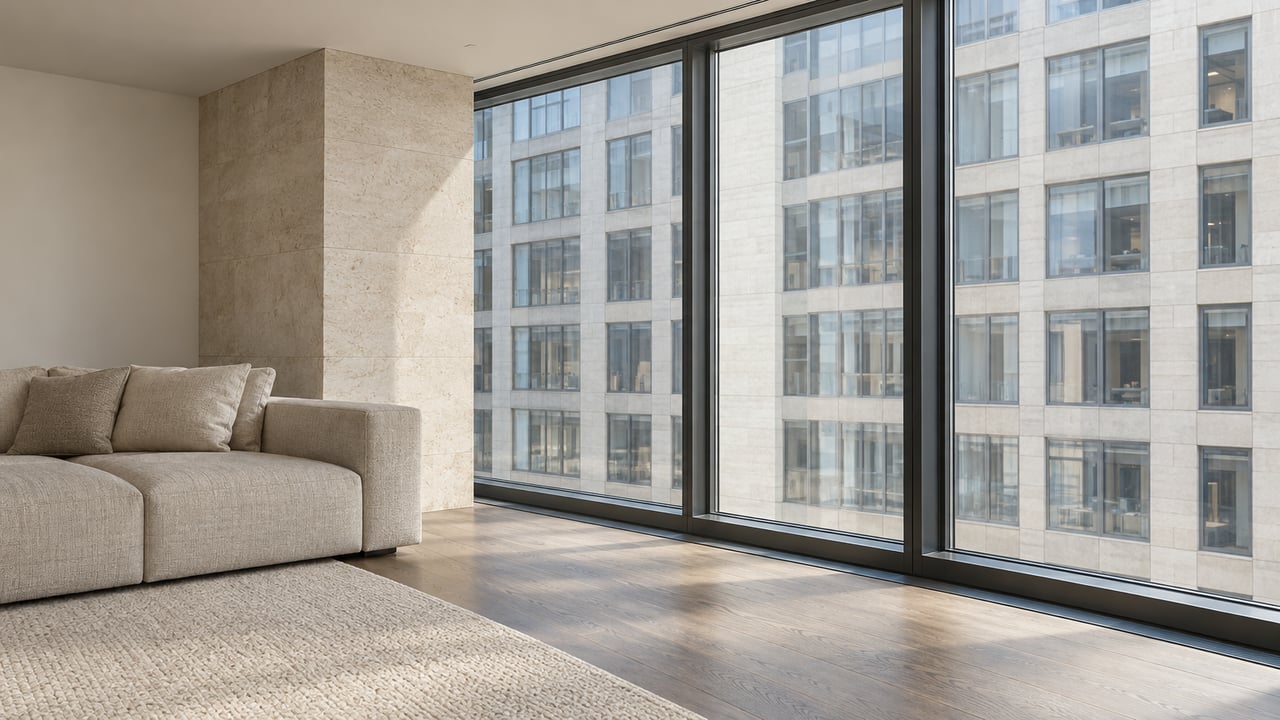
A soft loft is new or newer construction designed to look like a loft rather than a literal factory conversion. You get loft-inspired finishes and open layouts with the predictability of modern building systems.
Expect modern framing, drywall partitions, engineered wood flooring or concrete slabs, and large modern windows. Ceilings are often taller than a typical condo but usually not at the soaring heights of older industrial buildings.
Soft lofts aim to deliver the loft aesthetic with better insulation, building-wide HVAC, and code-current sound-rated assemblies. Many buyers choose them for the look, the convenience, and lower immediate maintenance.
Differences that matter
Structure and tactile feel
- True loft: Heavy masonry walls, deep window reveals, and substantial timber or steel beams create a tangible sense of weight and history that you can see and feel.
- Soft loft: Lighter modern assemblies and finished surfaces emulate the look. You get the vibe, but not the same structural heft.
Buyer takeaway: If authentic materiality is essential, a true loft delivers it. If you want the look with fewer quirks, consider a soft loft.
Ceiling height and volume
- True loft: Commonly 12 to 20 feet or more in primary spaces, sometimes with double-height areas and mezzanines.
- Soft loft: Often 9 to 12 feet, which feels airy but rarely dramatic unless designed that way.
Buyer takeaway: For dramatic vertical space and tall window walls, true lofts are more likely to satisfy.
Windows and daylight
- True loft: Large factory-style openings set in deep masonry can flood spaces with daylight. Some buildings replaced original sashes over time.
- Soft loft: Large modern windows with insulated glazing and slimmer frames offer good light, with shallower sill depth.
Buyer takeaway: Both can feel bright, but true lofts usually have distinctive window proportions and shadow lines.
Finishes and mechanical systems
- True loft: Exposed brick, original wood or concrete floors, and visible beams create patina and texture. Retrofits may vary by building and era. Insulation and thermal performance may be less consistent unless upgraded.
- Soft loft: Newer finishes, modern insulation, double-glazed windows, and building-wide HVAC are common. In-unit laundry and contemporary electrical capacity are typical.
Buyer takeaway: Soft lofts often mean fewer immediate upgrades. True lofts trade predictability for character.
Floorplans and flexibility
- True loft: Open spans with fewer load-bearing interior walls encourage flexible layouts, large living areas, and potential mezzanines. Columns and offsets add charm and complexity.
- Soft loft: Open-concept plans with more defined rooms to meet code and acoustic goals.
Buyer takeaway: If you want a highly customizable space, true lofts usually offer greater flexibility.
Sound and acoustics in city living
Sound performance comes down to two measures. STC measures airborne sound like voices and music between rooms and units. IIC measures impact sound like footsteps through floor and ceiling assemblies. Higher numbers indicate better isolation.
- True lofts: Heavy masonry can block airborne sound well. Older plank floors and continuous timber joists may transmit footsteps and vibration. Large open rooms can feel more reverberant.
- Soft lofts: Modern assemblies often include resilient channels, underlayments, and insulated party walls designed to meet code and developer specs. Quality varies by building.
Practical steps during showings:
- Visit at active times and listen for footsteps, music, HVAC hum, and street noise.
- Ask for any available STC and IIC data or construction details for party walls and floor assemblies.
- Look for rugs, underlayments, and door or window sealing that can improve performance.
Price, demand, and resale in Bucktown and Wicker Park
These neighborhoods attract style-driven buyers who value exposed brick, timber beams, tall ceilings, large windows, and a location near restaurants, galleries, transit, and nightlife. Authenticity often carries an emotional premium, and true lofts can be scarce.
That said, pricing depends on more than the label. Unit size, outdoor space, parking, amenities, condition, and the condo association’s financial health all matter. Market cycles, inventory, and interest rates also influence sale outcomes.
Resale dynamics:
- True lofts: Strong appeal when well maintained and housed in desirable converted buildings. Highly unusual layouts can narrow your buyer pool.
- Soft lofts: Broad appeal for buyers who want modern systems and predictable maintenance. These can be easier to finance and insure in some situations.
- Both: The health of the homeowners association, reserves, and documented permits for conversion or renovations are critical for value.
Financing, insurance, and legal points:
- Financing: Lenders review condo documents, owner-occupancy ratios, and reserves. Mixed-use buildings with a higher commercial component can face stricter underwriting.
- Insurance: Historic or older buildings can carry higher insurance costs. Confirm building coverage and your unit policy needs.
- Permits and compliance: Ask for documentation of permitted conversion work and any Certificate of Occupancy updates. Buildings with local landmark status have rules for windows and exterior changes.
Due diligence checklist
Use this checklist to compare true and soft loft options efficiently.
Building-level items:
- Confirm if the property is a true conversion or new construction. Note the year of conversion or build and any major upgrades since.
- Review documented permits and Certificates of Occupancy for residential use.
- Check if the building is locally landmarked or within a historic district and what exterior rules apply.
- Review the association budget, reserves, special assessments, and amenity or parking policies.
Unit-level inspection:
- Measure ceiling heights in primary spaces. Verify any mezzanine is permitted.
- Examine exposed beams, columns, and brick for wear, rot, or settlement cracks.
- Test windows for operability and check for drafts or water staining at sills.
- Identify flooring type and listen for squeaks or creaks during a walk test.
- Record the type and age of HVAC, water heater, and electrical service capacity.
- Conduct a live sound check and ask about any sound mitigation measures.
- Look for signs of prior moisture intrusion and evaluate ventilation.
Renovation and permitting:
- For true lofts, confirm feasibility and permitting for partitions, mezzanines, or window changes, especially if landmark rules apply.
- For soft lofts, confirm association rules for interior changes and any architectural review requirements.
Which loft fits your lifestyle?
You may prefer a true loft if you want:
- Real timber beams, brick, and original floors with patina.
- Dramatic volume with tall windows and potential mezzanines.
- A flexible floorplate that supports creative layouts.
- A one-of-a-kind space and you are comfortable managing periodic upgrades.
You may prefer a soft loft if you want:
- Loft aesthetics with modern insulation, windows, and HVAC.
- Predictable maintenance and potentially quieter floor assemblies.
- Defined rooms and storage with open-concept flow.
- Broad buyer appeal for future resale and a straightforward ownership experience.
Next steps
Your best choice comes from seeing how each option feels in person, then layering in clear due diligence. If you want a curated shortlist of Bucktown and Wicker Park lofts matched to your priorities and a guided comparison of total ownership costs and resale outlook, connect with the Fu Group. Schedule a private consultation and move forward with confidence.
FAQs
What defines a true loft in Bucktown or Wicker Park?
- A true loft is a residential conversion of an older industrial or commercial building, typically with heavy masonry, exposed timber or steel, large factory-style windows, and very high ceilings.
What is a soft loft and how is it built?
- A soft loft is newer construction that uses loft-inspired finishes and open plans while relying on modern framing, insulation, and mechanical systems for predictable performance.
Are true lofts noisier than soft lofts in Chicago?
- Not always. Masonry can block airborne sound, but older floors may transmit footsteps. Soft lofts often include sound-rated assemblies. Ask for STC and IIC details and do a live sound check.
Which has better resale value in these neighborhoods?
- It depends on building condition, location, layout, and association health. True lofts can carry an authenticity premium, while soft lofts can appeal to a broader buyer pool.
What should I review before making an offer on a loft?
- Verify permits and Certificates of Occupancy, evaluate HOA reserves and assessments, check sound and windows during showings, confirm system ages, and understand any landmark or renovation rules.