If you are searching in South Loop, you may feel pulled between two very different versions of city living. One offers raw character, tall ceilings, and big windows. The other offers a more traditional layout, clearer room separation, and often a more predictable building setup. The right choice depends less on the label and more on how you want to live day to day. In this guide, you will learn how to compare a South Loop loft and condo with more clarity so you can move forward with confidence. Let’s dive in.
South Loop Housing Has Two Stories
South Loop’s housing mix reflects the neighborhood’s history. The area grew through rail yards, industry, and printing, then evolved through large-scale renewal that brought residential towers, townhomes, shopping, and restaurants back into the neighborhood.
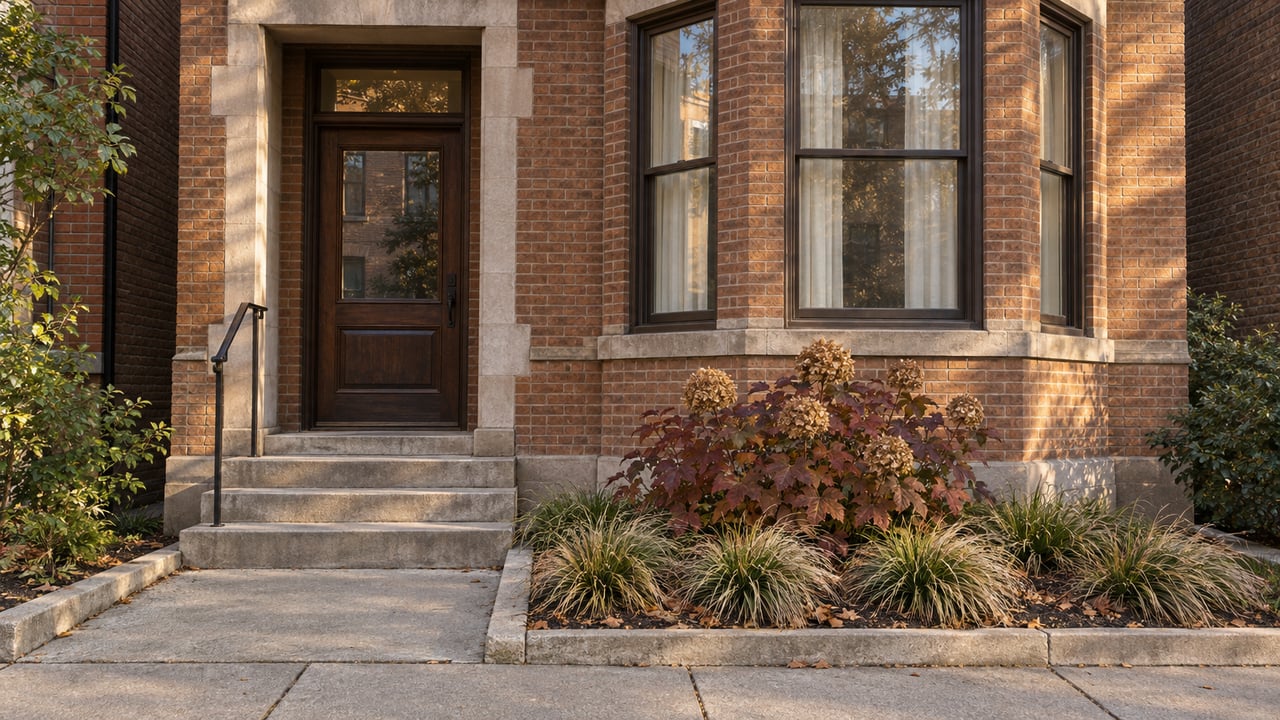
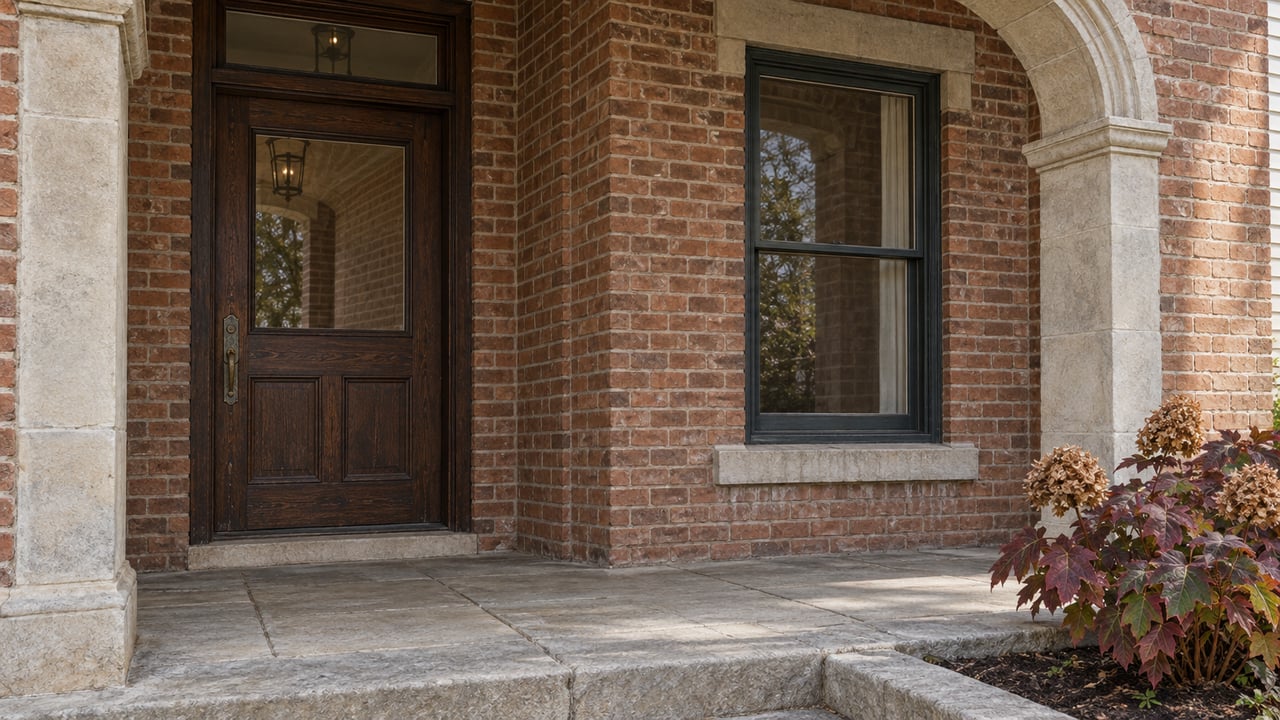
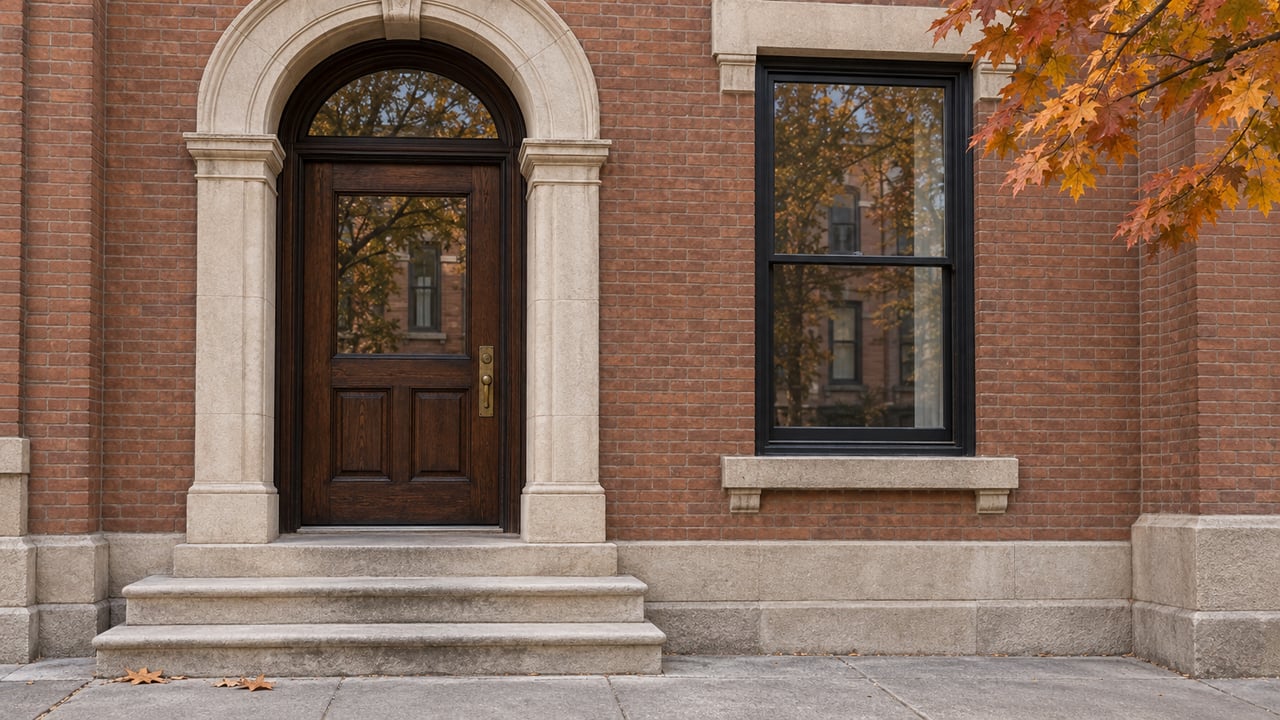
That history still shows up in the homes you see today. In Printer’s Row especially, former printing plants were adapted into residential lofts, while other parts of South Loop added purpose-built condo buildings. When you shop here, you are often choosing between a home shaped by old industrial space and one designed from the start for residential living.
Loft vs Condo Basics
Before you compare listings, it helps to clear up one common point of confusion. A loft and a condo are not direct opposites.
A loft usually describes the style of the home and often the building’s origin. A condo describes the ownership structure. In South Loop, many lofts are also condos, which means you may be buying a loft-style unit within a condominium association.
What Defines a Loft
A loft-style home usually features open space, high ceilings, large windows, and fewer interior walls. In many cases, lofts are located in former commercial or industrial buildings, which can also bring exposed brick, columns, and architectural details that feel distinct from newer construction.
For many buyers, that character is the draw. A loft can feel more flexible, more dramatic, and more connected to South Loop’s older built environment.
What Defines a Traditional Condo
A traditional condo is an individually owned unit within a larger residential building. Along with your unit, you also own a share of the building’s common elements, which may include hallways, amenities, and other shared spaces.
In practice, a traditional condo often comes with a more standardized floor plan and a building that was designed for residential use from the start. That can make it easier to compare one option against another when you are narrowing your search.
Why Layout Matters Most
One of the biggest differences between a South Loop loft and condo is how the space functions every day. Photos may capture finishes, but layout shapes your routine.
If you work from home, host overnight guests, or want strong separation between living and sleeping areas, layout matters even more. This is often where your decision becomes clearer.
What a Loft Can Offer
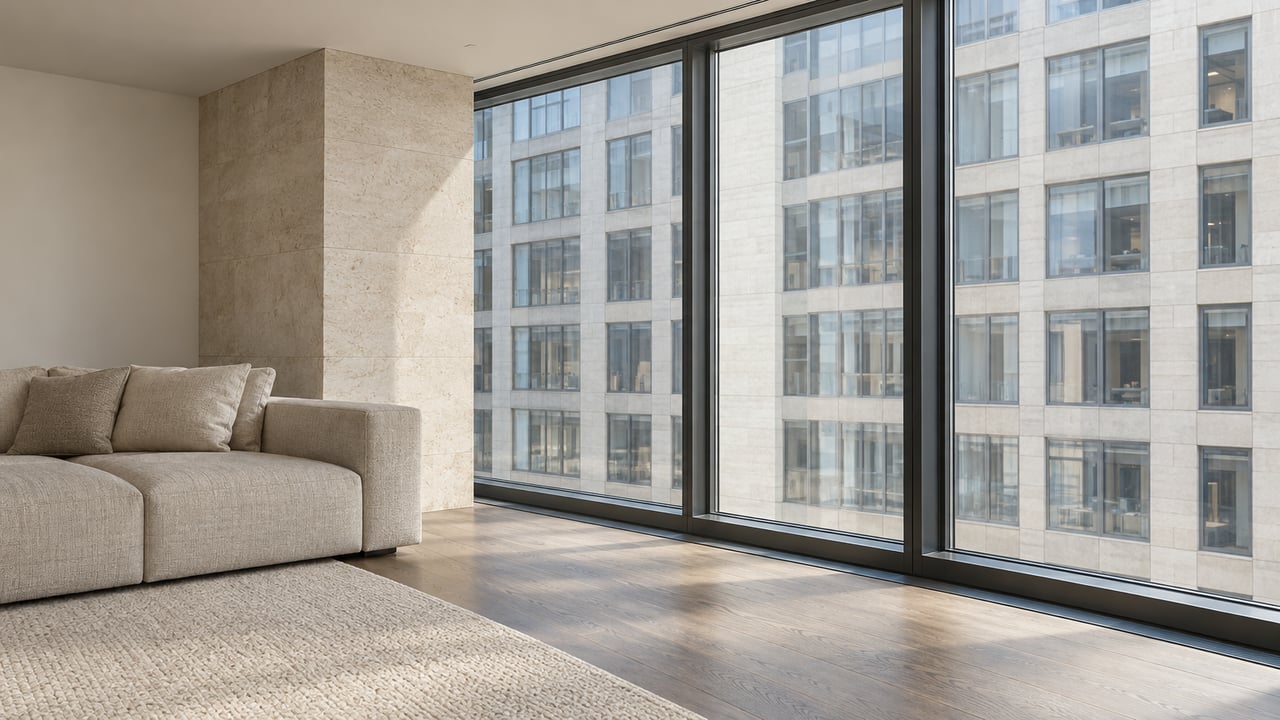
A loft usually gives you volume, light, and flexibility. High ceilings and large windows can make the home feel expansive, and the open plan can let you shape the space around your needs.
That same openness can also create tradeoffs. With fewer interior walls, it may be harder to create private areas for work, sleep, or guests. Storage can also be more limited, and some loft-style homes may have higher energy costs.
What a Condo Can Offer
A traditional condo often gives you more defined rooms and a more familiar layout. If you want a clear separation between your kitchen, living area, office, or bedroom, that structure can feel easier to live with.
Many buyers also like that this type of home can be easier to compare across buildings. While every unit is different, the overall setup is often more straightforward for buyers who value predictability.
Light, Sound, and Storage
In South Loop, details like sunlight, views, and proximity to open space can influence buyer interest and future resale. The neighborhood’s location near Grant Park, the Museum Campus, and the lakefront means exposure, sightlines, and natural light can carry real weight.
That makes it important to look past finishes and ask how the home will actually feel at different times of day. A beautiful kitchen does not replace natural light or a functional layout.
Loft Considerations
Lofts often stand out for large windows and airy interiors. If you want a home that feels bright and visually open, this can be a major advantage.
At the same time, the open-plan design may affect privacy and how sound travels within the unit. The label alone does not tell you whether a home will be quiet, so building construction, floor placement, and unit location matter more than marketing language.
Condo Considerations
Condos may offer less dramatic volume, but they often provide better room separation and more dedicated storage. For buyers who want cleaner boundaries between daily activities, that can be a meaningful benefit.
This can be especially helpful if your schedule is busy and you want a home that feels easy to manage. In a market like South Loop, practical function can matter just as much as visual appeal.
Amenities and Building Lifestyle
Another major difference is what comes with the building. In South Loop, loft conversions and traditional condo buildings often follow different patterns.
Loft buildings may be more bare-bones because they were not originally designed as housing. Traditional condo buildings more often include shared services and amenities through monthly assessments.
What You May Find in a Condo Building
Condo buildings commonly include secure access and may offer amenities such as fitness centers or party rooms. Monthly assessments typically help cover communal maintenance and may also include some utilities, depending on the building.
If you want convenience and shared services, a traditional condo may fit your lifestyle more naturally. The tradeoff is that you should look closely at what those monthly costs actually support.
Why Loft Buyers Should Look Closer
With lofts, the appeal is often architectural rather than amenity-driven. That can be ideal if you care more about space and character than a long list of building extras.
Still, fewer amenities do not always mean fewer concerns. You will want to understand what the building maintains, how the association operates, and whether the monthly assessment matches the level of service provided.
Association Finances Matter
In South Loop, this may be the most important part of the decision. Whether you buy a loft-style unit or a traditional condo, the building’s financial health can affect your ownership experience as much as the unit itself.
In Illinois, condominium ownership involves more than the interior of the home. Associations can set rules on issues like pets, parking, renting, noise, and renovations, and monthly assessments generally support the maintenance of common property and amenities.
What Illinois Requires
The Illinois Condominium Property Act requires a resale disclosure package with key building and financial documents. That package includes items such as the declaration, bylaws, unpaid assessments or liens, anticipated capital expenditures, reserve status, financial statements, pending suits or judgments, and association insurance.
The law also requires budget information and annual accounting. If reserve requirements have been waived, that must be disclosed in the financial statements and highlighted in bold in the resale response.
What You Should Review
When comparing a South Loop loft and condo, review more than finishes and asking price. Pay close attention to:
- Monthly assessments
- Reserve strength
- Special assessment history
- Planned capital projects
- Building rules on pets, parking, rentals, and renovations
- Insurance information
- Any pending suits or judgments
A striking loft in a weak association may be less appealing over time than a simpler condo in a well-run building. In this part of the market, sound building fundamentals can protect both your lifestyle and your resale position.
How the South Loop Market Shapes Your Choice
As of May 2026, South Loop was described as somewhat competitive, with a median sale price of $399,865, median days on market of 53, and 280 homes sold. Some homes were receiving multiple offers.
At the broader Chicago level, early 2026 condo and townhome data showed rising prices alongside lower sales and lower inventory. That points to a market where buyers still need to be prepared, but where careful selection matters more than rushing toward a label.
Focus on the Specific Unit
In South Loop, not every loft behaves the same way, and not every condo building offers the same value. Building quality, line, view, parking, assessment load, and reserves can all shape how a home performs.
That is why the best decision usually comes from matching your lifestyle to the specific property and building. A well-positioned unit in a strong association can outperform a more eye-catching option that carries financial or functional drawbacks.
A Simple Way to Decide
If you are still torn, use your daily life as the filter. Your choice becomes easier when you think about how you want the home to work rather than how you want it to photograph.
Choose a Loft If You Want
- Open-plan living
- High ceilings and large windows
- Architectural character
- Flexible space
- A home that feels visually distinct
A loft may be the right fit if you are comfortable with less privacy, less storage, or fewer amenities in exchange for character and volume.
Choose a Condo If You Want
- Clear room separation
- A more traditional floor plan
- More familiar building systems
- Shared amenities and services
- An easier comparison process across listings
A traditional condo may be the better fit if you value structure, convenience, and a more standardized residential setup.
Final Thoughts
Choosing between a South Loop loft and condo is rarely about which one is better. It is about which one fits your routines, priorities, and risk tolerance more closely.
In a neighborhood shaped by both industrial history and modern development, the smartest buyers look at the full picture. Layout, light, amenities, assessments, reserves, and rules all matter. If you want a clear strategy for evaluating South Loop options with a polished, data-driven approach, Fu Group can help you schedule a private consultation.
FAQs
What is the difference between a South Loop loft and a condo?
- A loft refers to the style and often the building origin, while a condo refers to the ownership structure. In South Loop, many lofts are condo-owned units.
Which is better in South Loop: a loft or a traditional condo?
- The better choice depends on your lifestyle. Lofts often offer more openness and character, while traditional condos often offer more room separation, amenities, and a more standardized building setup.
Are South Loop lofts quieter than condos?
- Neither label guarantees a quieter home. In South Loop, noise levels depend more on building construction, unit location, and layout than on whether a home is marketed as a loft or condo.
Why do condo association finances matter in South Loop?
- Association finances matter because reserve strength, assessment history, planned capital work, and building rules can affect both your monthly costs and your long-term ownership experience.
What should you review before buying a South Loop condo or loft?
- You should review the resale disclosure package, monthly assessments, reserve status, planned capital expenditures, association rules, insurance information, and any history of unpaid assessments, liens, suits, or judgments.