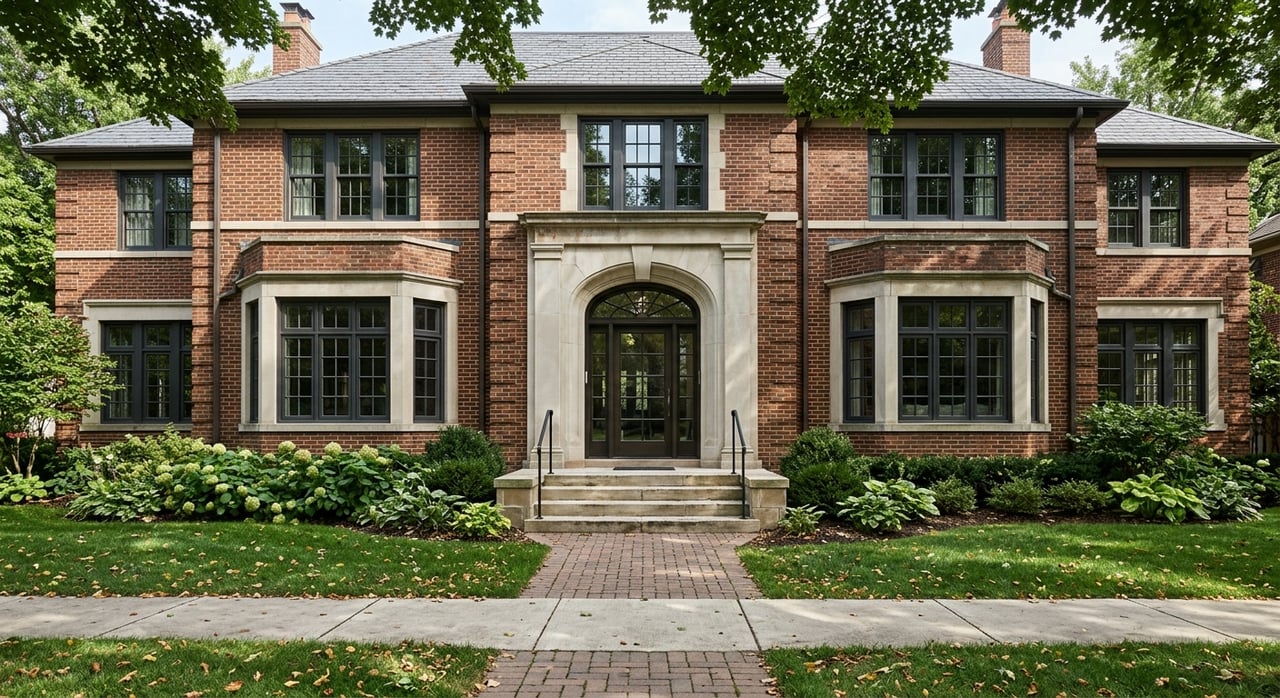
What if you could live in a part of Chicago where a morning by the lake, an afternoon among landmark architecture, and an easy trip downtown all fit into the same day? If you are weighing Kenwood or Hyde Park, you are likely looking for more than just an address. You want a neighborhood that feels distinctive, livable, and connected. This guide will help you understand how these two South Side lakefront neighborhoods compare and what daily life here can really look like. Let’s dive in.
Kenwood and Hyde Park at a glance
Kenwood and Hyde Park sit just south of the Loop on Chicago’s South Side, and while they are closely linked, they offer different experiences. Hyde Park is the more mixed-use, institution-rich area, with a stronger presence of museums, campus life, dining, and retail corridors. Kenwood feels quieter and more residential, with a long-standing reputation for large homes and a more set-back streetscape.
That contrast is useful if you are trying to match a neighborhood to your lifestyle. If you want more activity woven into your daily routine, Hyde Park often stands out. If you are drawn to a slower cadence and more house-centered blocks, Kenwood may feel like the better fit.
Daily life feels different in each neighborhood
Hyde Park has a more active rhythm
Hyde Park is shaped in part by the University of Chicago and the neighborhood activity that surrounds it. Commercial life clusters around streets like 53rd, 55th, 57th, and 51st/Hyde Park Boulevard, creating a practical daily spine for coffee, errands, dining, and casual outings. That concentration gives the neighborhood a strong sense of movement without making it feel purely commercial.
For many residents, that means you can build a routine close to home. You might start the day with a walk, stop by a coffee shop, run errands, and end the evening with dinner nearby. The neighborhood’s cultural calendar and public-facing institutions also help keep the area feeling engaged throughout the year.
Kenwood feels quieter and more residential
Kenwood developed as a fashionable residential suburb in the 19th century, and much of that character still comes through today. Historically, retail was limited and concentrated mainly along 47th Street, which helped preserve a more house-centered feel. Even now, Kenwood often reads as calmer and more tucked away than Hyde Park.
If you value a neighborhood that feels more relaxed and residential, this can be a major draw. The streetscape tends to emphasize homes, lots, and mature blocks rather than a dense commercial scene. For some buyers, that balance of city access and residential quiet is exactly the point.
Architecture is part of everyday life
Kenwood showcases grand historic homes
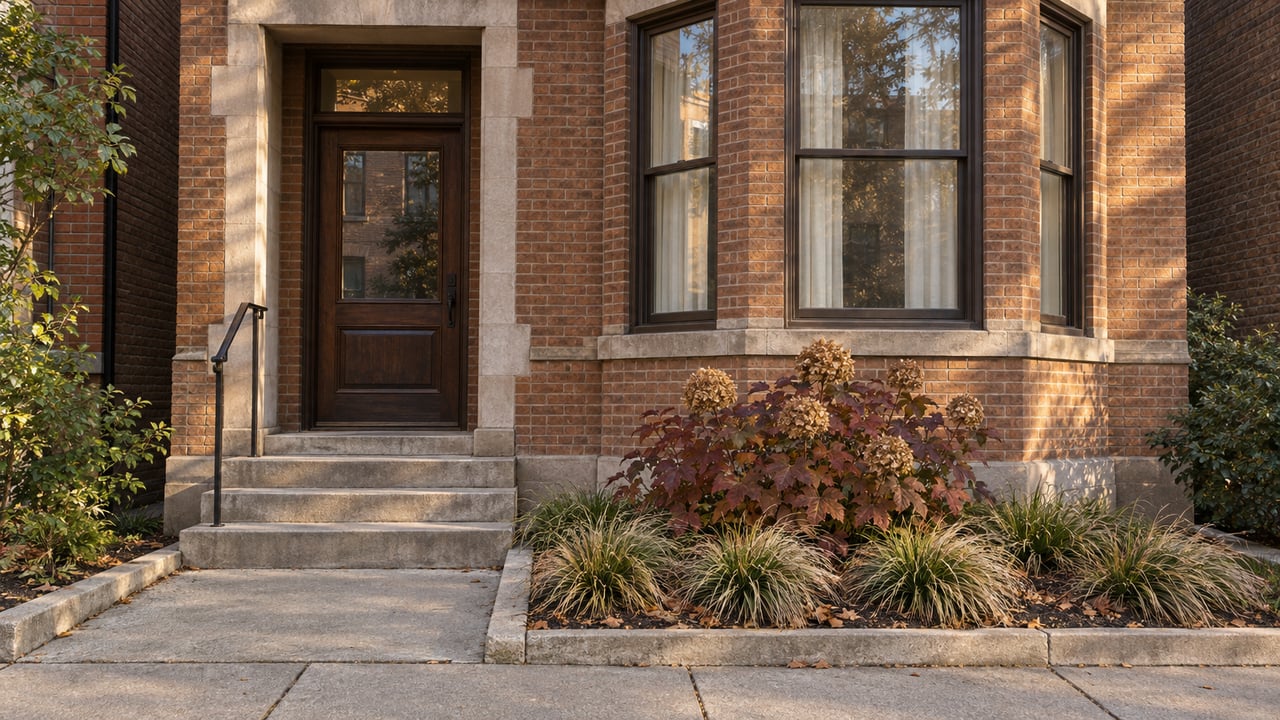
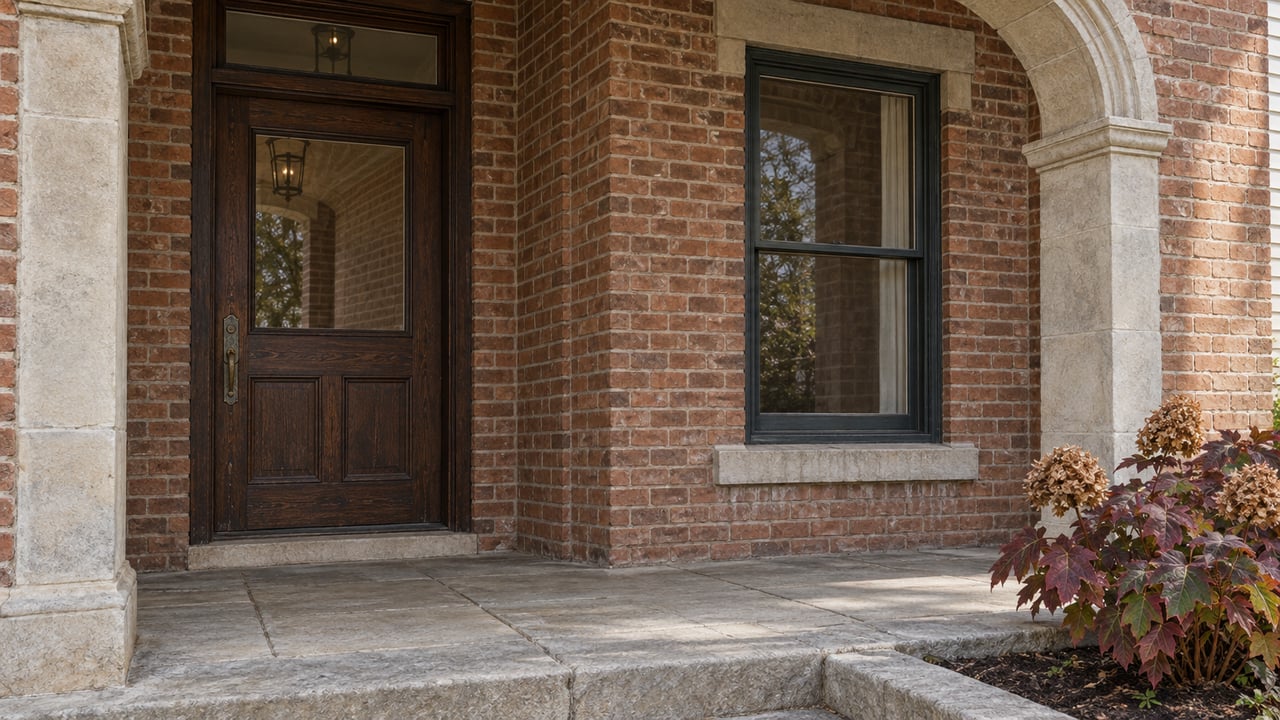
Kenwood’s landmark district is known for large single-family residences on spacious lots. The architectural mix includes Italianate, Colonial Revival, Queen Anne, and Prairie School styles, with work associated with architects such as George Maher, Benjamin Marshall, Howard Van Doren Shaw, and Frank Lloyd Wright.
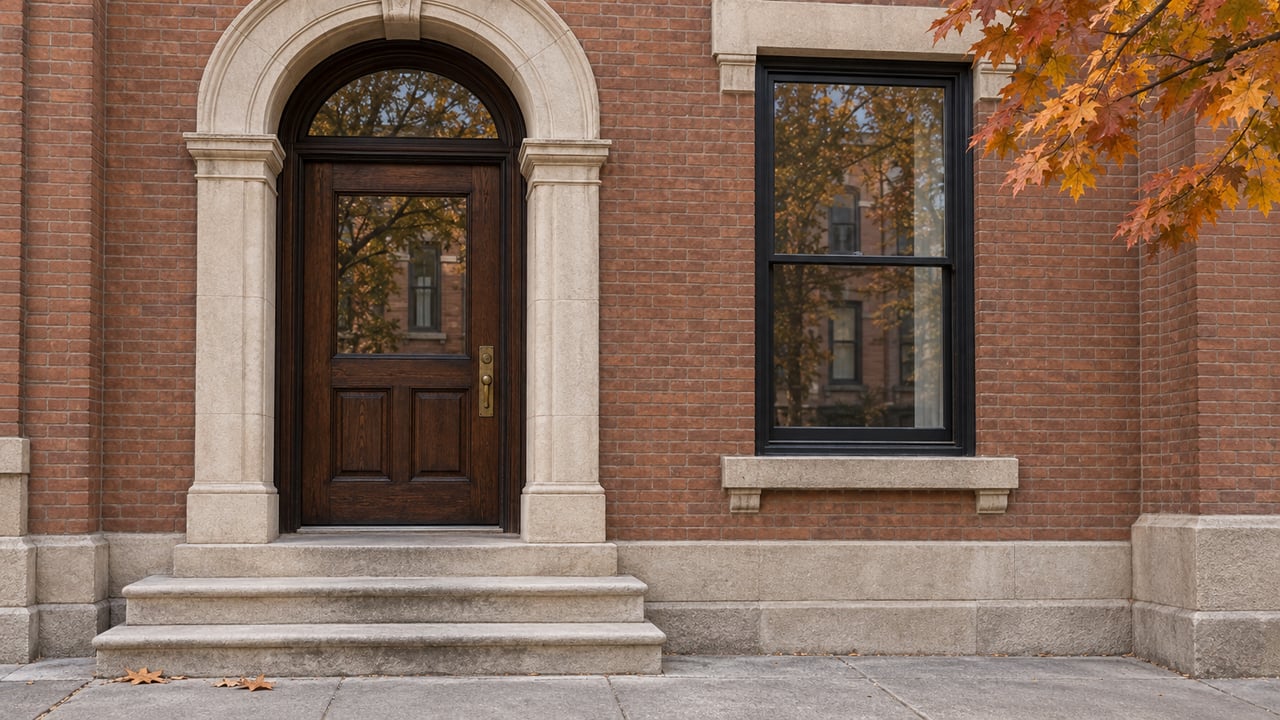
That gives Kenwood a distinctive visual identity. A simple walk through the neighborhood can feel elegant and residential in a way that is increasingly rare in Chicago. North Kenwood also adds masonry rowhouses from the late 19th and early 20th centuries, which broadens the housing character beyond estate-style homes.
Hyde Park offers more variety
Hyde Park’s built environment is more varied and denser in places. The neighborhood includes landmark homes, rowhouses, apartment buildings, campus-adjacent conversions, and major institutional buildings. Well-known examples include Robie House, Rockefeller Memorial Chapel, the former Hyde Park-Kenwood National Bank, the Shoreland Hotel, and the Greenwood Row House District.
For buyers, that variety matters. Hyde Park does not present one single housing type or aesthetic. Instead, it offers a broader architectural palette, which can appeal if you want options and enjoy the feeling of living in a neighborhood with visible layers of Chicago history.
Lakefront access shapes the lifestyle
One of the strongest reasons people are drawn to this part of Chicago is the lakefront. In Hyde Park, Burnham Park anchors outdoor life and includes Promontory Point, while nearby Jackson Park includes 57th Street Beach. These are not just scenic destinations. They are part of how many residents structure an ordinary week.
The area supports morning runs, bike rides, long walks, and beach days in season. At 57th Street Beach, the Chicago Park District notes an accessible beach walk and restrooms, with swimming allowed only during beach season when lifeguards are on duty from 11 a.m. to 7 p.m. from the Friday before Memorial Day through Labor Day. That makes the outdoor experience feel both active and clearly organized.
Outdoor space is not just for summer
Midway Plaisance Park adds another layer to the neighborhood’s outdoor appeal. The park includes an ice rink, warming center, winter gardens, multi-purpose fields, and seasonal programming such as movies and concerts. In other words, the area’s green space supports routines well beyond warm-weather weekends.
That year-round usability can make a real difference in how a neighborhood feels once you live there. Instead of seeing the outdoors as a seasonal perk, you can think of it as part of your regular lifestyle. In Kenwood and Hyde Park, access to open space often feels built in rather than optional.
Culture and amenities are close at hand
Hyde Park stands out for the concentration of cultural destinations near residential streets. University of Chicago materials describe Museum Campus South as including the Smart Museum of Art, Robie House, the Reva and David Logan Center for the Arts, the Museum of Science and Industry, the Institute for the Study of Ancient Cultures, and the Renaissance Society.
That density is unusual for a neighborhood setting. It gives you the ability to enjoy museums, exhibitions, and arts programming without planning a major cross-city outing. The Smart Museum and Hyde Park Art Center are both free and open to the public, which adds to the area’s accessible cultural rhythm.
53rd Street anchors daily convenience
If culture gives Hyde Park its identity, local shopping and dining help give it practicality. The area around 53rd Street is described as a hub for dining, shopping, entertainment, and community events, with additional clusters on 57th, 55th, and 51st/Hyde Park Boulevard.
That makes the neighborhood feel useful, not just beautiful. Bookstores, coffee shops, restaurants, parks, and recurring events all contribute to a pattern of repeat visits and familiar routines. For many residents, that is what makes a neighborhood feel truly livable over time.
Commuting and car-light living are realistic
Transit is one of the area’s strongest everyday advantages. The 51st/53rd St. Hyde Park Metra Electric station is in Zone 2, includes a 24-hour waiting room, and connects to CTA routes 2, 6, 15, 28, 55, 171, 172, and 192. CTA’s 2 Hyde Park Express also serves the area.
Hyde Park is about 7.5 miles south of the Loop, which helps explain why the neighborhood appeals to people who want access to downtown without living in its center. Metra notes that there are no parking lots at the station, and Promontory Point also does not provide designated parking. Together, those details reinforce a neighborhood pattern where walking, biking, and transit can play a meaningful role in daily life.
Who tends to like Kenwood vs. Hyde Park?
Kenwood often appeals to people who want architectural character, larger homes, and a more residential atmosphere. If you picture quieter blocks, more set-back homes, and a slower pace, Kenwood delivers a strong version of that experience. It can feel especially compelling if your priority is the home and streetscape itself.
Hyde Park often appeals to people who want a fuller mix of amenities close by. If you like the idea of museums, dining, green space, lakefront access, and transit all being part of your normal routine, Hyde Park offers a lot of that in one place. It tends to suit buyers who want neighborhood character with more built-in activity.
What living here often feels like
The best way to describe life in Kenwood and Hyde Park is that it feels layered. You get residential character, meaningful outdoor access, and a cultural-commercial core that supports ordinary routines. That combination is hard to find in a single Chicago neighborhood pair.
A typical day might include a lakefront walk, time in a park, a stop at a museum or bookstore, dinner on 53rd Street, and a quick trip downtown by Metra when needed. Whether you prefer Kenwood’s quieter cadence or Hyde Park’s more active mix, both neighborhoods offer a version of Chicago living that feels established, distinctive, and deeply connected to place.
If you are considering a move to Chicago’s lakefront neighborhoods and want guidance tailored to your goals, Fu Group offers a polished, strategic approach backed by deep local knowledge and concierge-level service.
FAQs
What is the difference between living in Kenwood and living in Hyde Park?
- Kenwood generally feels quieter and more residential, while Hyde Park offers a more mixed-use environment with stronger concentrations of dining, shopping, cultural destinations, and campus activity.
What types of homes can you find in Kenwood and Hyde Park?
- Kenwood is known for large historic single-family homes and some masonry rowhouses, while Hyde Park has a broader mix that can include landmark houses, rowhouses, apartment buildings, and campus-adjacent conversions.
What is lakefront access like in Hyde Park?
- Hyde Park offers strong lakefront access through Burnham Park, Promontory Point, and 57th Street Beach, making walks, bike rides, and seasonal beach time part of everyday life for many residents.
Is Hyde Park convenient for commuting to downtown Chicago?
- Yes. Hyde Park is about 7.5 miles south of the Loop, and the 51st/53rd St. Hyde Park Metra Electric station connects the neighborhood to downtown and several CTA routes.
What makes Hyde Park feel active year-round?
- In addition to museums, dining, and university-related activity, Midway Plaisance Park supports year-round use with features like an ice rink, warming center, winter gardens, fields, and seasonal events.
Is Kenwood mostly residential?
- Yes. Kenwood is widely understood as the quieter, more house-centered counterpart to Hyde Park, with a stronger emphasis on residential blocks and less commercial concentration.