Wondering why Lake View can feel like several neighborhoods stitched into one? If you have toured a few blocks here, you have probably noticed that the mood can shift quickly from lakefront routines to lively retail corridors to quieter residential streets. This guide will help you understand Lakeview’s distinct micro neighborhoods, what gives each pocket its character, and how to think about fit as a buyer or seller. Let’s dive in.
Why Lake View Feels So Varied
Lake View is officially Chicago Community Area 6, but it is often experienced as a collection of smaller pockets rather than one single center. Visitor and neighborhood sources commonly break it into East Lakeview, Northalsted, Southport Corridor, and Wrigleyville.
That layered identity has deep roots. Lake View was once its own township and city before annexation into Chicago, which helps explain why the area still feels internally diverse today. For you, that means the name “Lakeview” can describe very different street experiences depending on where you stand.
East Lakeview: Lakefront Access and Daily Outdoor Rhythm
East Lakeview generally runs from Diversey Parkway north to Irving Park Road, and from Lake Michigan west to Racine Avenue. This is the lake-facing side of Lake View, where access to the shoreline shapes everyday life.
If you want a neighborhood that feels connected to open space, this pocket stands out. The Chicago Park District notes that the city shoreline includes about 26 miles of lakefront, 18 miles of recreational trails, and 29 beaches, with separate bike and pedestrian routes along the Lakefront Trail.
In practical terms, East Lakeview puts you close to places like Belmont Harbor and the Lakefront Trail, with easy reach to shoreline destinations farther north such as Montrose Harbor and Montrose Beach. That tends to create a routine built around walking, running, biking, and time outdoors, not just errands and dining reservations.
Broadway also plays an important role in how this area lives day to day. It serves as a key retail corridor, giving the lakefront side a blend of residential streets, services, and neighborhood activity.
Northalsted: Dense, Event-Driven Energy
Northalsted is a more compact entertainment and cultural corridor. Its business district runs along Halsted from Belmont to Grace and along Broadway from Grace to Irving Park Road.
If you are looking for a pocket with concentrated activity, Northalsted often delivers that feeling quickly. Dining, nightlife, public art, and frequent event programming are clustered close together, so the street energy tends to feel immediate and visible.
This area is also shaped by landmark local destinations and programming. The district highlights public art, Pride-related installations, street festivals, and the Legacy Walk, while local visitor sources also point to venues such as Laugh Factory and Center on Halsted as part of the mix.
For buyers, that can mean a stronger sense of movement and activation within a smaller footprint. For sellers, it means the surrounding lifestyle story is often tied to convenience, events, and a distinctly urban pace.
Southport Corridor: Walkable and Village-Like
Southport Corridor is less about formal boundaries and more about a recognizable commercial stretch centered on Southport Avenue. It is widely understood as one of Lake View’s most walkable retail and dining pockets.
This area is known for independent shops, patios, and neighborhood-scale activity. It often feels lower-rise and more intimate than some other parts of Lake View, which gives it a different kind of appeal.
The Brown Line’s Southport station is a major part of the corridor’s identity. If you value a street life that feels active but not stadium-centered, Southport often strikes that balance.
The Music Box Theatre adds another layer of character here. Open since 1929, it remains an independent cinema known for foreign, cult, classic, and art-house films, reinforcing the corridor’s established and distinctly local feel.
Wrigleyville: Stadium-Centered Street Life
Wrigleyville is the ballpark-adjacent pocket around Wrigley Field at Clark and Addison. More than anywhere else in Lake View, this area’s rhythm can change sharply based on the Cubs schedule and other stadium events.
On game days and concert nights, the surrounding blocks are shaped by foot traffic, bars, restaurants, and neighborhood parking patterns. Streets around Clark, Addison, Waveland, and Sheffield can feel very different during events than they do on quieter days.
That creates a clear tradeoff. If you enjoy being near major live events and the pulse that comes with them, Wrigleyville has a strong identity. If you prefer more consistency from one evening to the next, you may find yourself looking slightly farther from the ballpark core.
The Quieter Side of Lake View
One reason Lake View appeals to so many buyers is that active corridors and calmer streets often sit close together. Step away from the busiest retail and entertainment strips, and the neighborhood reveals a more residential side.
Chicago’s housing history helps explain that feel. The Chicago Architecture Center notes that two- and three-flats make up a quarter of Chicago housing, while courtyard buildings, greystones, row houses, and bungalows are all part of the city’s residential vocabulary.
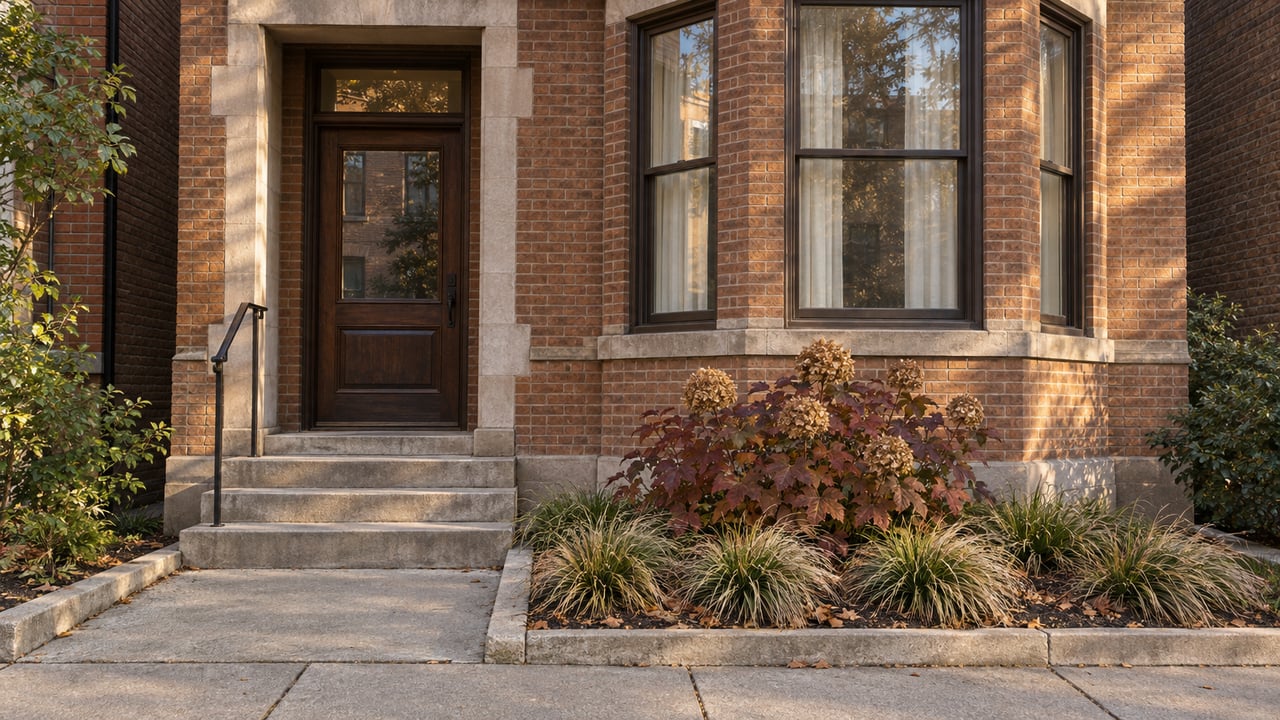
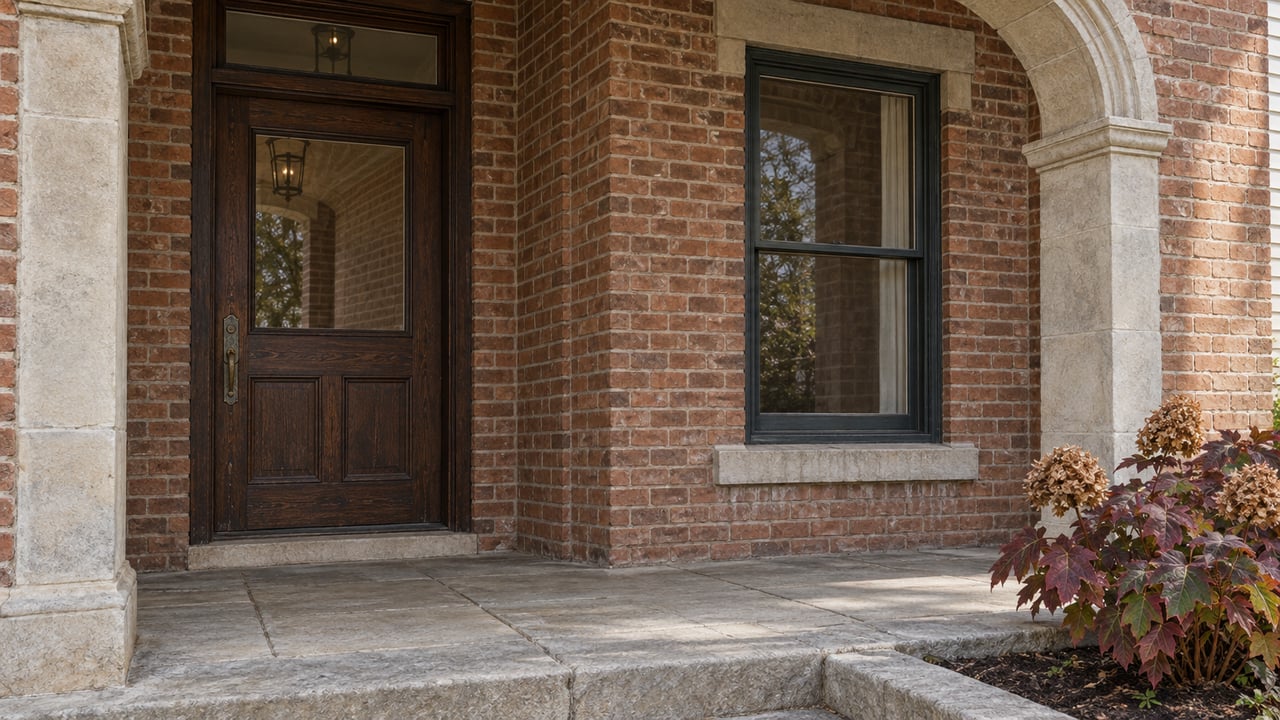
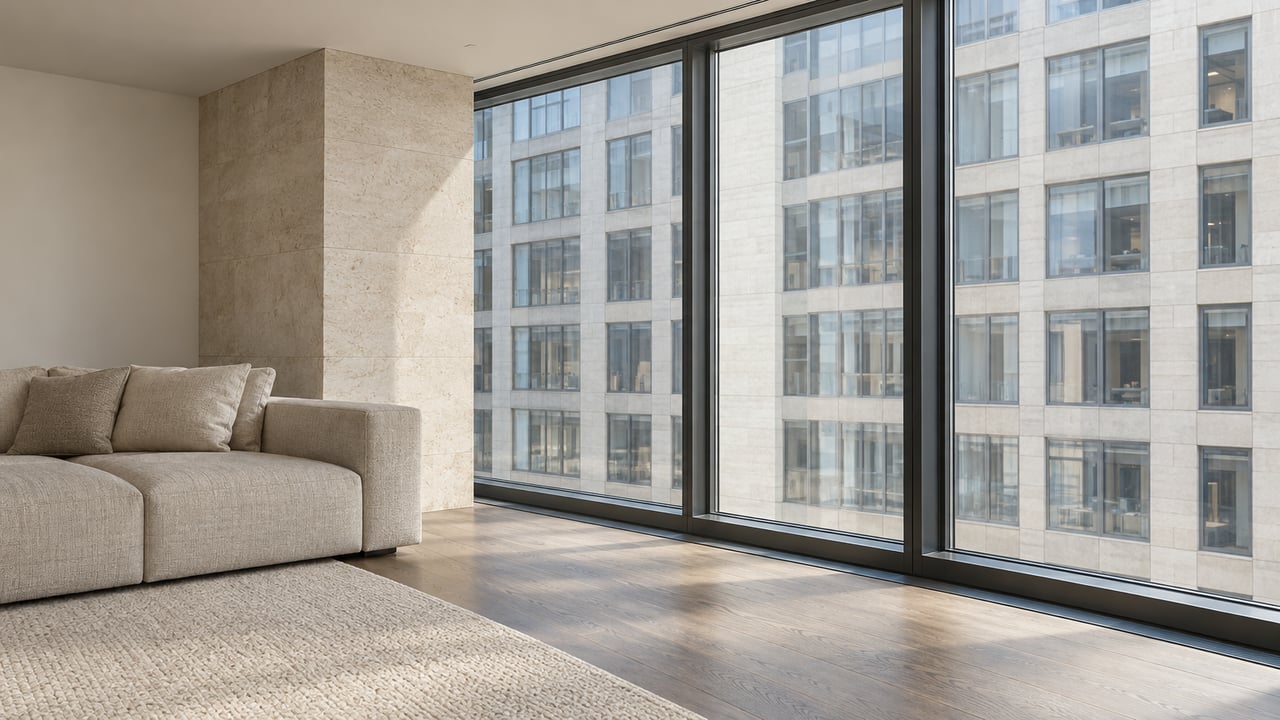
In Lake View, that means you are likely to encounter a broad mix of vintage multifamily buildings, courtyard apartments, classic masonry homes, and higher-rise condo living near the lake. The housing stock is one of the clearest reasons this community feels layered rather than uniform.
Landmark Blocks That Show Another Side
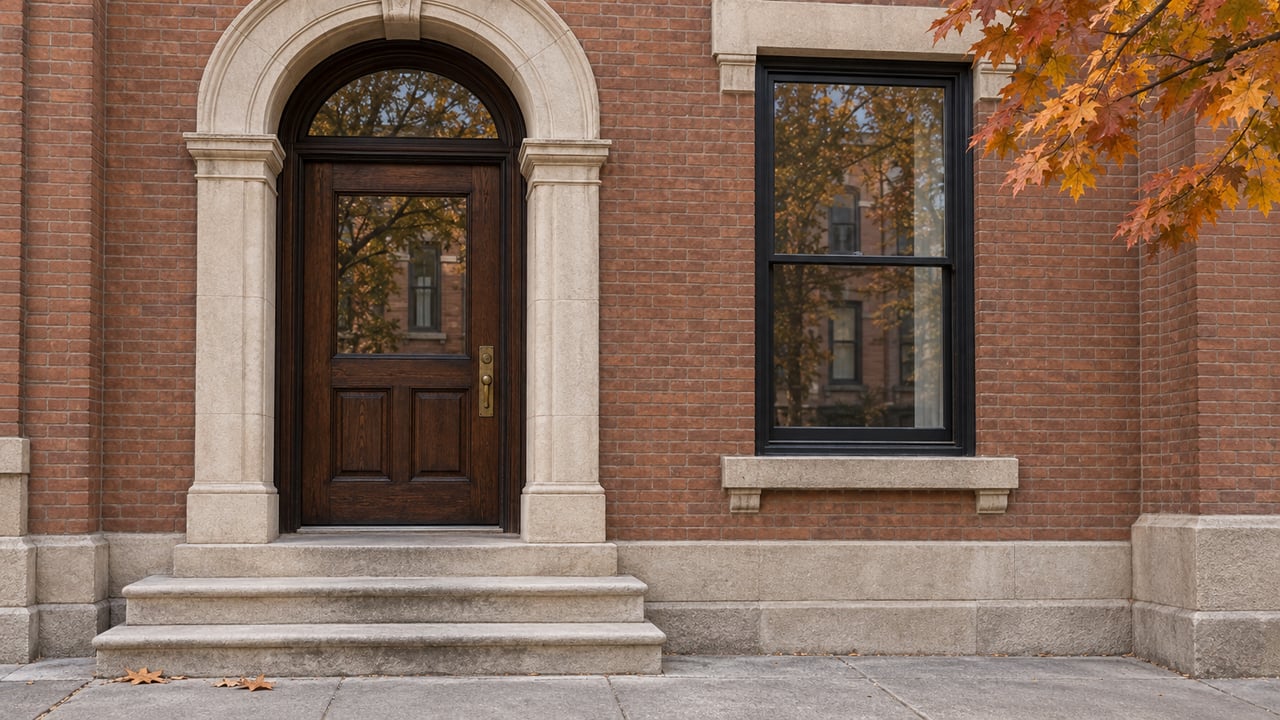
Alta Vista Terrace offers one of the best-known architectural moments in the neighborhood. This one-block rowhouse street is often called a street of forty doors and gives you a vivid look at Lake View’s historic residential character.
Hawthorne Place shows a different expression of quiet residential design. The city describes it as a landmark district of large residences on large lots, positioned between Broadway retail and Lake Shore Drive high-rises.
These are useful references because they capture the calmer, more architectural side of Lake View. They remind you that even in a neighborhood known for activity, there are pockets that feel tucked away and distinctly residential.
Small Parks, Local Green Space
Interior parks also help shape the quieter identity of Lake View. South Lakeview Park, Juniper Park, Gill Park, and the Lakeview Community Garden act as neighborhood-scale green anchors within the community area.
These are not the same as the lakefront’s large recreational draw. Instead, they support a more local rhythm and can make nearby blocks feel more settled and residential.
How Transit Connects the Pockets
Lake View’s micro neighborhoods are distinct, but they are also well connected. The area is served by Brown, Red, and Purple Line stations, including Southport, Addison, Wellington, Diversey, Belmont, Sheridan, and Wilson.
Belmont is especially important as a transfer point, which adds flexibility if you move through the city regularly. For many buyers, transit access is one of the reasons Lake View works well even when the neighborhood experience changes from pocket to pocket.
That connectivity also means you do not always have to choose between convenience and character. You can often find a quieter home base while staying close to the parts of Lake View you want to enjoy most.
Which Pocket Feels Right for You?
If you are comparing micro neighborhoods, it helps to think in terms of daily rhythm instead of just a map. East Lakeview leans toward lakefront access and outdoor routines. Northalsted offers concentrated dining, nightlife, and events. Southport Corridor feels walkable and neighborhood-scaled. Wrigleyville is defined most clearly by stadium energy.
On the residential side, interior streets near local parks, along with landmark pockets like Alta Vista Terrace and Hawthorne Place, can feel quieter and more architectural. The right fit depends on whether you want open lakefront access, a lively corridor, event-driven energy, or a calmer residential setting.
For buyers, this kind of block-by-block understanding matters because “Lakeview” is not one single lifestyle. For sellers, it matters because strong positioning starts with telling the right neighborhood story around your home.
If you are exploring Lake View, a more nuanced read of the neighborhood can help you move with more confidence. To talk through Lake View’s micro markets, housing mix, and how to position your next move, schedule a private consultation with Fu Group.
FAQs
What are the main micro neighborhoods in Lake View?
- The most commonly recognized pockets are East Lakeview, Northalsted, Southport Corridor, and Wrigleyville.
What is East Lakeview known for in Lake View?
- East Lakeview is known for lakefront access, proximity to Belmont Harbor and the Lakefront Trail, Broadway retail, and an everyday rhythm shaped by outdoor activity.
What is Northalsted like for someone exploring Lake View?
- Northalsted is a compact, active corridor known for dining, nightlife, public art, and event programming along Halsted and Broadway.
What makes Southport Corridor different within Lake View?
- Southport Corridor is known for its walkable retail strip, independent shops, patios, neighborhood-scale activity, and access to the Brown Line at Southport.
What is Wrigleyville known for in Lake View?
- Wrigleyville is centered around Wrigley Field and is shaped by game days, concerts, stadium foot traffic, and nearby bars and restaurants.
What kinds of homes can you find in Lake View?
- You can expect a mix of vintage multifamily buildings, courtyard apartments, two- and three-flats, landmark row houses, some single-family-style homes on select blocks, and higher-rise condos near the lake.
Which parts of Lake View feel quieter?
- Interior streets near small parks, along with landmark areas like Alta Vista Terrace and Hawthorne Place, tend to feel quieter than the main retail and entertainment corridors.
How is transit in Lake View, Chicago?
- Lake View is served by Brown, Red, and Purple Line stations including Southport, Addison, Wellington, Diversey, Belmont, Sheridan, Wilson, and others, with Belmont serving as a major transfer point.