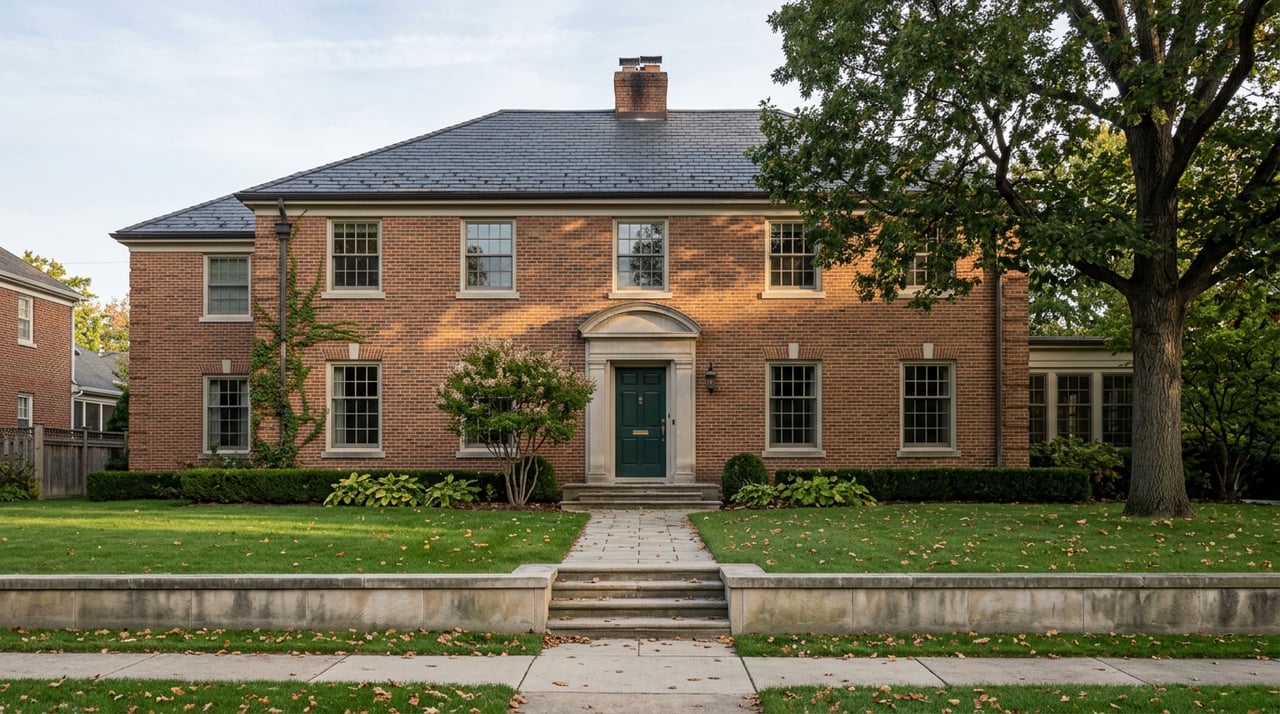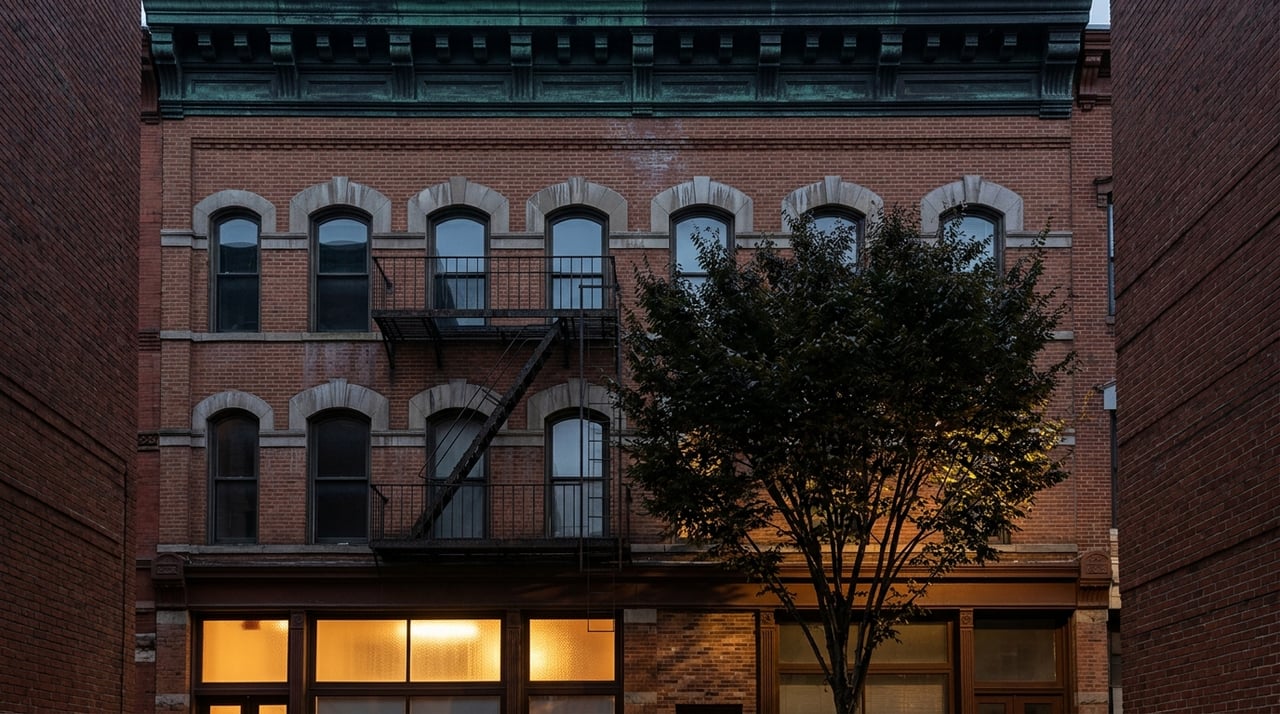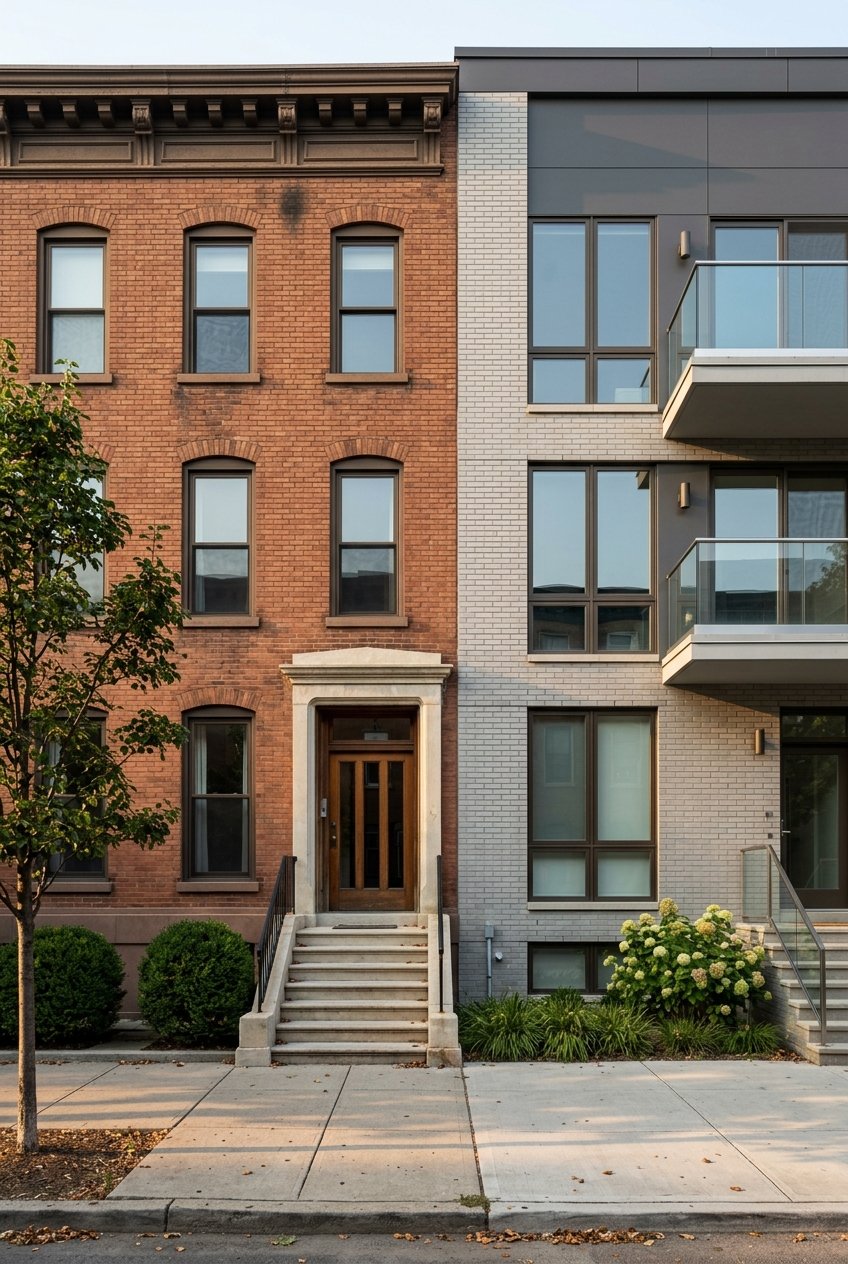
If you are condo shopping in Logan Square, you have probably noticed something right away: this is not a neighborhood defined by lookalike towers. Instead, you will find vintage flats, classic Chicago masonry buildings, courtyard properties, and a smaller share of newer condos with more modern layouts and finishes. That mix can feel exciting, but it can also be hard to decode. This guide will help you understand what Logan Square condos and vintage flats really look like, how they tend to be priced, and what details matter most as you compare options. Let’s dive in.
Logan Square Housing Stock Explained
Logan Square stands out because its housing stock skews older and smaller in scale than many condo-heavy parts of Chicago. According to CMAP, 59.5% of housing units in Logan Square were built in 1939 or earlier, and the median year built is 1944. The same profile shows that 43.7% of units are in 2-to-4-unit structures, which helps explain why so much of the neighborhood’s condo inventory comes from smaller buildings rather than large developments.
That vintage-heavy makeup gives Logan Square a very different feel from areas dominated by high-rises. Many buyers here are choosing between condo conversions in two-flats, three-flats, four-flats, greystones, and courtyard buildings. You will still see some newer mid-rise or elevator buildings, but they are a smaller part of the overall picture.
What A Vintage Flat Means
In Logan Square, a vintage flat usually refers to an older condo or apartment in a small masonry building. These homes are often found in classic Chicago two-flats, three-flats, and four-flats, building types that the Chicago Architecture Center identifies as major parts of the city’s residential fabric from roughly 1900 to 1918. Courtyard buildings are another common form, usually three- to four-story brick buildings arranged around a central garden space and built from the 1890s through the Great Depression.
For buyers, the appeal is usually about character and layout. Vintage flats often include features like bay windows, hardwood floors, tall ceilings, fireplaces, foyers, and separate living and dining areas. In updated units, you may also find in-unit laundry, private decks, shared yard space, and parking.
A recent sale at 2057 N Kedzie offers a strong example of what a polished vintage flat can look like in Logan Square. That 3-bedroom, 2-bath home measured 1,900 square feet and included 10-foot ceilings, crown molding, oak floors, a den, a private deck, a shared backyard, and gated parking. It sold for $850,000 in March 2026, with a monthly association fee of $206.
What Condos Look Like In Logan Square
The condo market in Logan Square covers a broad range of price points and building styles. Entry-level options still exist, especially in smaller vintage buildings. Current neighborhood examples include a 2-bedroom, 1-bath 600-square-foot unit listed at $199,000 and another 2-bedroom, 1-bath 700-square-foot unit at $230,000 with in-unit laundry, low HOA dues, and parking.
As you move up the market, you will see more renovated layouts, larger footprints, and more outdoor space. Logan Square condos can range from compact 600-to-700-square-foot homes to top-floor units around 1,800 to 1,900 square feet. Larger duplexes can exceed 2,000 square feet, especially in newer construction or extensive conversions.
Newer and more amenity-forward homes usually offer a different experience than vintage flats. A current example at 1842 N Whipple is a 2025 duplex-down with 4 bedrooms, 3.5 baths, and 3,000 square feet. Features include a private entrance, Thermador kitchen, radiant heat, a covered terrace, an oversized backyard, a private roof deck, and garage parking, with HOA dues of $293 per month.
Elevator buildings are less common than small walk-ups, but they are part of the mix. One example is 2021 N Kedzie, a 2-bedroom, 2-bath condo in an elevator building that sold for $425,000 in May 2024. It featured an open-concept layout, a roof deck, parking, and a fireplace.
Logan Square also includes niche building types that can appeal to buyers looking for something distinct. A notable example is 1847 N Kedzie, a 2017 church conversion with 2 bedrooms, 2 baths, and 925 square feet. That home included four private outdoor spaces, gated exterior parking, and a self-managed six-unit association with HOA dues of $303 per month.
Vintage Flats Vs Newer Condos
If you are deciding between a vintage flat and a newer condo in Logan Square, the right fit usually comes down to how you prioritize character, layout, maintenance, and amenities.
Why Buyers Choose Vintage Flats
Vintage flats often deliver the details that make older Chicago homes memorable. You may get better ceiling height, richer millwork, more formal room separation, and a sense of architectural identity that newer buildings cannot easily replicate. In Logan Square, that style is a major part of the neighborhood’s appeal.
Vintage flats can also offer strong value in terms of interior space. Because so much of the neighborhood consists of older 2-to-4-unit buildings, you may find layouts that feel generous relative to the price point. Well-renovated units can blend original character with updated kitchens, baths, and daily convenience.
Why Buyers Choose Newer Condos
Newer condos tend to appeal to buyers who want a more turnkey experience. Open-concept floor plans, newer systems, larger primary suites, private roof decks, and higher-end kitchen packages are more common in recent construction and major conversions. Some buyers simply prefer less guesswork around finishes and function.
These homes may also include features that are harder to find in smaller vintage buildings, such as elevator access, radiant heat, or more private outdoor areas. In Logan Square, newer condos are still shaped by the neighborhood’s smaller-building pattern, but they generally feel more contemporary in both layout and finish.
What Features Matter Most
When buyers compare Logan Square condos, a few features tend to stand out again and again. Based on current and recent listings, the biggest differentiators are often light, private outdoor space, parking, ceiling height, and the quality of kitchen and bath updates. Those are market patterns rather than formal appraisal rules, but they are useful when weighing options.
Top-floor homes often draw attention because of better natural light and a bit more privacy. Outdoor space also carries weight, whether that means a private deck, roof deck, balcony, or access to a shared yard. In a neighborhood with many smaller buildings, parking can also make a meaningful difference in everyday convenience.
HOA dues are another point to watch. In the examples above, a restored vintage four-flat had dues of $206 per month, while a church conversion was at $303 and a newer duplex-down was at $293. In general, dues often rise with building complexity and amenity load.
Pricing Patterns In Logan Square
Logan Square remains a competitive market. Redfin reports a recent median sale price of $677,248 across all home types, with 35 median days on market and 58.1% of homes selling above list price over the last three months. For condos specifically, the current snapshot shows 18 condos for sale, a median list price of $562,000, and a typical pace of about 25 days on market with about two offers.
Current and recent examples suggest a rough condo price ladder in the neighborhood:
- Entry-level vintage condos: about $199,000 to $230,000
- Renovated 2-bedroom condos and smaller elevator units: about $349,000 to $555,000
- Larger vintage flats or duplex units: about $715,000 to $850,000
- Newer construction or penthouse-level homes: about $990,000 to $1.32 million
These ranges are a market reading based on current and recent examples, not an official pricing grid. Still, they help show how wide the Logan Square condo market can be. You can shop for an efficient starter condo, a large vintage home with original character, or a design-forward newer residence, all within the same neighborhood.
Why Logan Square Feels Competitive
Part of Logan Square’s appeal is that it offers a distinct housing experience compared with nearby North Side markets. Redfin’s recent neighborhood data places Logan Square’s median sale price below Bucktown at $697,500 and Lincoln Park at $792,705. At the same time, Logan Square has a notably larger share of pre-1940 housing and 2-to-4-unit buildings than Chicago overall.
For many buyers, that creates an appealing balance. You may be able to access more vintage character, more interior volume, or a more distinctive building type than you would find in some nearby neighborhoods at a higher median price point. That value proposition is an inference from the housing stock and pricing data, but it aligns with how many buyers approach the area.
Location And Everyday Access
Logan Square’s condo appeal is not just about the homes themselves. The neighborhood is also one of the more transit- and bike-friendly areas on the North Side. Redfin rates Logan Square with a 91 Walk Score, 68 Transit Score, and 93 Bike Score.
CTA identifies Logan Square as an accessible Blue Line station on the 24-hour O’Hare-Forest Park line. The Chicago Park District also notes that The 606 is easiest to reach by foot, bike, or CTA, with Logan Square located about a mile north of the trail’s west-end access zone. For buyers who care about mobility, daily convenience can be a meaningful part of the neighborhood’s draw.
Landmark District Considerations
Some Logan Square properties are located within the Logan Square Boulevards District, a Chicago Landmark district centered on Logan and Palmer Squares. The City of Chicago says the district was designated in 2005 and includes buildings largely dating from 1880 to 1930.
If a property is inside that district, exterior alterations, demolition, and some new construction proposals can trigger landmark review during the permit process. That does not mean buying in the district is a problem. It simply means you should understand whether landmark rules may affect future exterior changes.
How To Shop Smarter In Logan Square
If you are serious about buying in Logan Square, it helps to compare condos through the lens of building type first. A vintage walk-up, church conversion, elevator condo, and new duplex-down may all technically be condos, but they often deliver very different day-to-day experiences.
As you narrow your search, focus on the features that will matter most to you over time:
- Layout and room separation
- Natural light and floor level
- Outdoor space
- Parking needs
- HOA dues
- Renovation quality
- Building style and upkeep
- Access to transit and neighborhood amenities
That approach can help you avoid comparing homes that look similar on paper but feel very different in person.
If you want expert guidance on buying or selling a condo in Logan Square, Fu Group offers a polished, data-informed approach with concierge-level support from search to closing.
FAQs
What is a vintage flat in Logan Square?
- A vintage flat in Logan Square usually means an older condo or apartment in a small masonry building such as a two-flat, three-flat, or four-flat, often with features like hardwood floors, tall ceilings, bay windows, and original trim.
How old are many Logan Square condos and flats?
- CMAP reports that 59.5% of Logan Square housing units were built in 1939 or earlier, and the neighborhood’s median year built is 1944.
Are Logan Square condos mostly in high-rise buildings?
- No. Logan Square condos are more commonly found in smaller 2-to-4-unit buildings, greystones, courtyard buildings, and smaller-scale conversions than in large towers.
What do Logan Square condo HOA dues usually look like?
- Current examples show HOA dues ranging from the low $200s per month in some vintage buildings to around the $300 range in newer or more amenity-rich properties.
How competitive is the Logan Square condo market?
- Recent Redfin data shows a condo median list price of $562,000, about 25 days on market, and roughly two offers on a typical condo listing.
Does landmark status affect Logan Square condos?
- If a condo is within the Logan Square Boulevards District, exterior alterations and some construction work may be subject to City of Chicago landmark review during permitting.