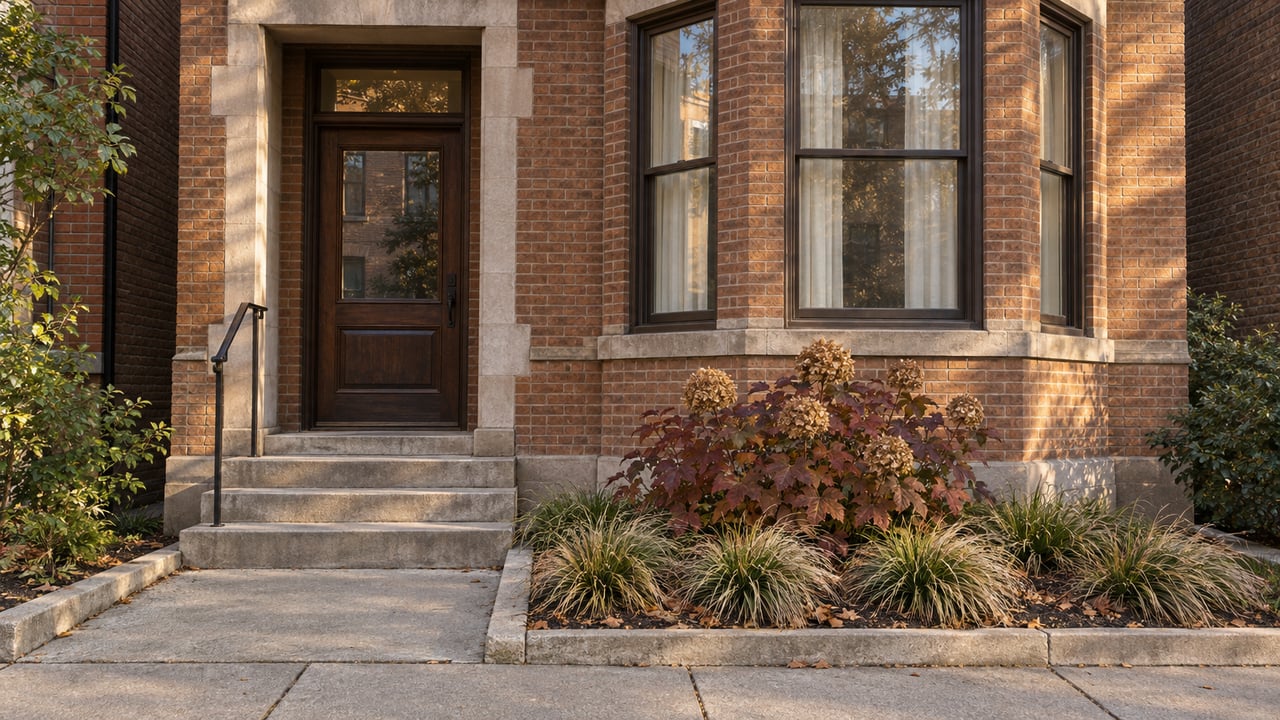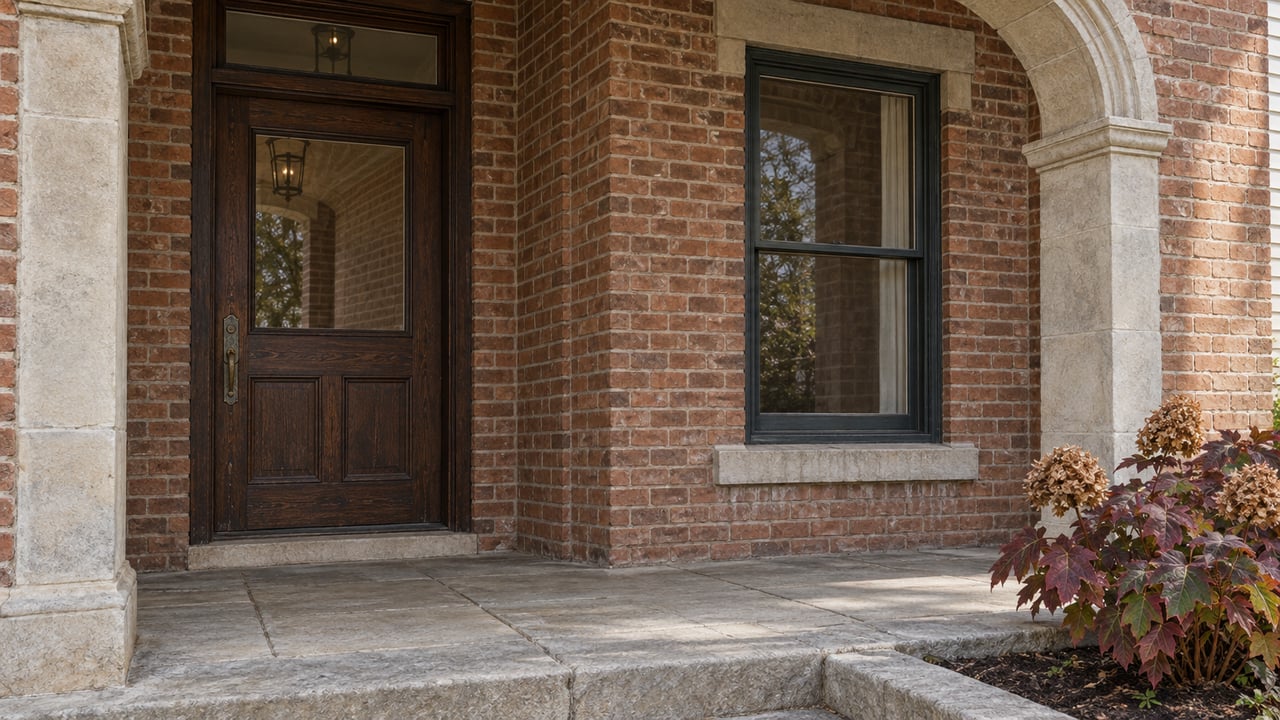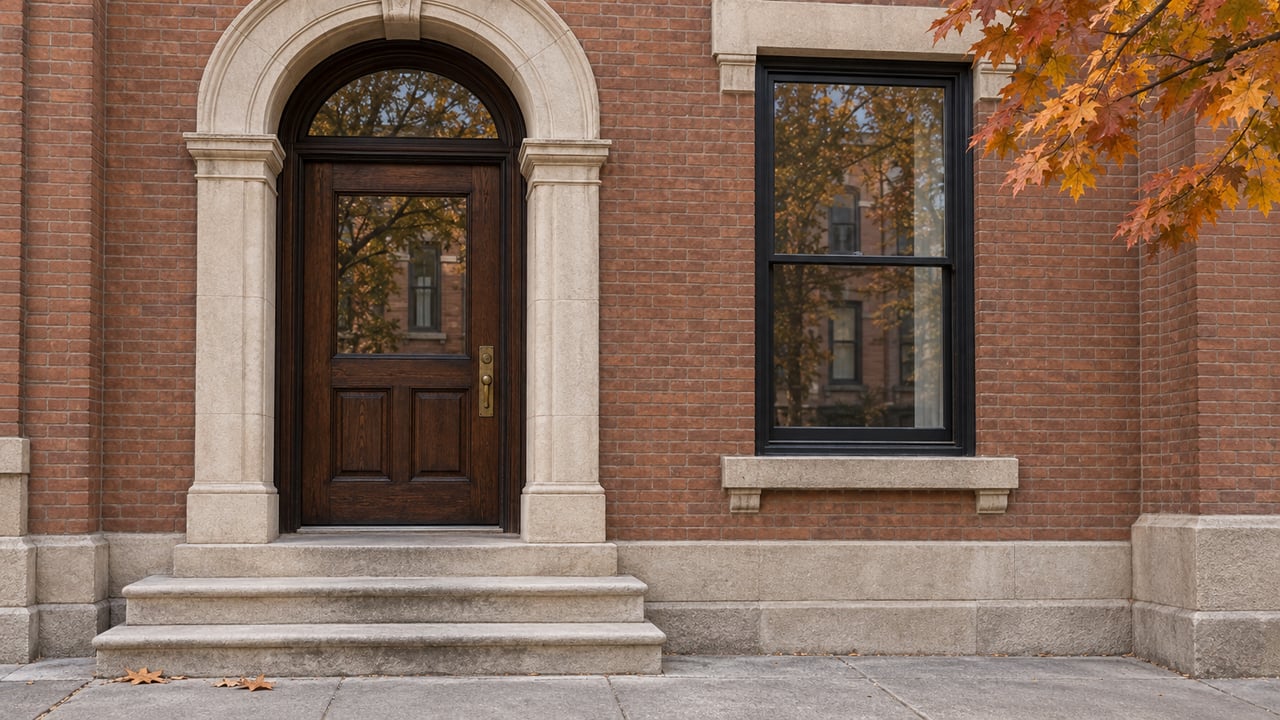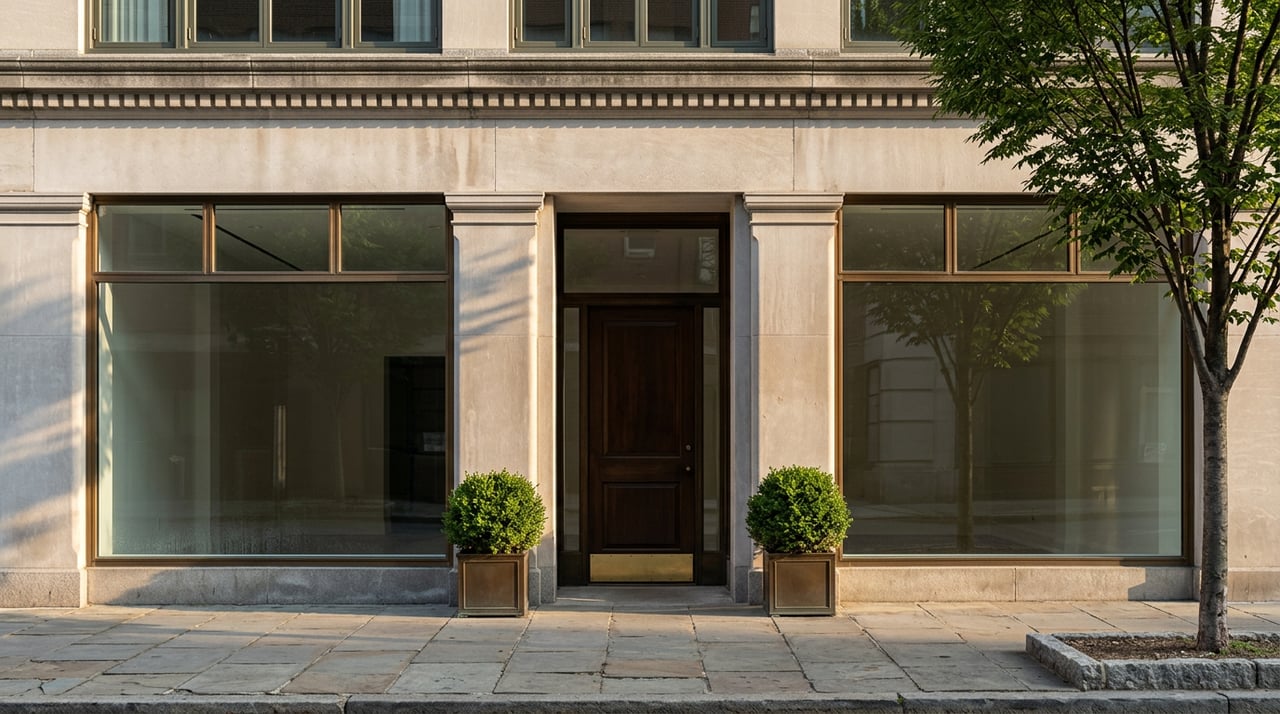
Walk east on Oak Street from Rush this week and the block still reads the way it always has: narrow, tree-lined, quieter than the crush one street over on Michigan Avenue. But look up. At 15 East Oak, above the Cartier and Balenciaga storefronts that have anchored the building's ground floor for years, a new sign has gone up where Fred's at Barneys New York used to be. A few doors down at 58 East Oak, the old Esquire Theatre marquee, dark since its last tenant closed, now belongs to a 265-seat steakhouse. Both spaces sat empty or underused for stretches of the last several years. Both just got filled, this year, by restaurants.
That's a small fact with a real signal buried in it. Oak Street has always been Chicago's most discreet shopping address, and discretion has meant something specific here: it's a street built to go quiet once the shops pull their gates down. The block's two most significant vacancies in recent memory just got backfilled by dining rooms instead of another round of flagship boutiques, and that changes what six o'clock on this street is going to feel like.
The Street That Was Built to Close at Six
Oak Street runs one short block between Michigan Avenue and Rush Street, and its identity has never been ambiguous. It carries a denser concentration of international luxury houses than Michigan Avenue itself, but it does so on a narrower, tree-lined street with noticeably less foot traffic than the Magnificent Mile. That's by design. Where Rush Street, one block west, has long carried the neighborhood's restaurant and bar energy into the evening, Oak Street's western edge has functioned as a kind of hinge between the two: shop quietly on Oak, then walk one block over if you want dinner and a scene.
That division of labor is why Oak Street's retail comebacks over the past few years, Cartier relocating from the Mag Mile, Balenciaga's first Midwest standalone, more recently Bottega Veneta's two-story flagship with its 32-foot glass and stone facade and LOEWE's boutique inside a circa-1890s building at 51 East Oak, never really changed the rhythm of the block after dark. Stores closed at seven or eight. The street went dark. You went elsewhere to eat.
Two Empty Anchors, Filled by Kitchens
This year broke that pattern in a specific, traceable way, and it happened at the block's two largest available footprints.
At 15 East Oak, the top floor that once held Fred's at Barneys New York now belongs to ARLA, an 8,500-square-foot Mediterranean-Japanese concept from the team behind Adalina Italian and Adalina Prime. Chef and partner Soo Ahn leads a kitchen built around shareable coastal dishes, and the space includes two open-air terraces overlooking Lake Michigan and the Oak and Rush Street corridor below. ARLA opened to the public on June 18, putting a rooftop dinner reservation, not just a shopping bag, on the list of reasons to walk that address.
A few doors down, 58 East Oak carries even more layered history. The building started as the Esquire Theatre, a cinema, before its most recent tenant operated as Esquire by Cooper's Hawk. Now MStreet Collective is reopening it simply as Esquire, a 265-seat flagship built around a Wagyu program sourced from Japan, Australia, New Zealand and the United States, anchored by a four-level, 5,000-bottle wine tower carried over from the previous tenant. The building's upper floor holds 58 Club, an invitation-only private club, and tucked inside that club is ŌakSho, a twelve-seat omakase counter running a sixteen-course tasting menu five nights a week. As of late summer the exact opening week hadn't been nailed down publicly beyond "later this summer," so it's worth confirming current hours before making a special trip, but the buildout and program are locked in.
MStreet Collective founder and CEO Chris Hyndman framed the project in blunt terms when the plans were announced:
"Chicago is one of the great dining cities in the world, and Oak Street is its most discerning address."
That's not incidental phrasing. It's the same language Oak Street has always used to describe its retail identity, now applied to a dining room.
What the Retail Wave Already Told Us, and What This Adds
None of this happens in a vacuum. Oak Street's fashion tenants have been telling a consistent story for a couple of years: this is where a brand puts its most considered Chicago footprint, not its most convenient one. Bottega Veneta and LOEWE didn't need Oak Street's foot traffic numbers to justify their leases. They needed the address.
What's different about 2026 is that the same logic just got applied to hospitality, and at the two properties large enough to matter.
| Address | Previous tenant | Current tenant | What changed |
|---|---|---|---|
| 15 E. Oak (upper floor) | Fred's at Barneys New York | ARLA | Rooftop dining replaces retail-adjacent dining |
| 58 E. Oak | Esquire Theatre / Esquire by Cooper's Hawk | Esquire (MStreet Collective) | Cinema-turned-wine-bar becomes a 265-seat steakhouse with a private club above it |
| 15 E. Oak (street level) | Various | Cartier, Balenciaga | Established retail anchors, unchanged |
| 51 E. Oak | Prior tenant | LOEWE | Continues the retail-led pattern that preceded this year's dining shift |
Read down that table and the pattern is plain. The retail turnover on Oak Street has been steady for years. What's new is the two rows where a vacancy went to a kitchen instead of another storefront.
What Changes for Someone Who Already Lives Here
If you live in the Gold Coast, the practical shift isn't that Oak Street is about to get loud. Both new tenants are built around the same discretion that has always defined the block. ARLA's terraces are genuinely public, open-air, and reservation-based, so a weeknight dinner with a lake view no longer requires leaving the neighborhood's quietest street. Esquire's ground floor is planned as a conventional, if elaborate, steakhouse, while its distinguishing features—the 58 Club and hidden ŌakSho counter—are designed for members and invited guests, extending Oak Street's old logic of quiet, curated access into an evening context rather than breaking from it.
The more useful way to think about it: Oak Street used to hand you off to Rush Street the moment you were done shopping. Now, for the first time in years, it can hold you through dinner. That's a genuine change in how a resident might plan a Tuesday evening walk, not a cosmetic one.
It's also consistent with the block's architectural character, which has always leaned into density and permanence rather than turnover. If you want the fuller picture of what makes the surrounding blocks read the way they do, from the limestone facades to the building stock that made this stretch a historic district in the first place, we've laid that out in our guide to Gold Coast architecture.
For now, the short version is simpler. Two of Oak Street's largest available spaces just got filled by people betting that this block can support dinner, not just a shopping bag. ARLA is open, and Esquire is still preparing to open. Worth a walk before the fall crowds figure that out too.
If Chicago's Gold Coast has become part of your own daily rhythm and you're weighing what a change of address here might actually look like, Eugene Fu Group knows this stretch of the city block by block. Schedule a private consultation when you're ready to talk specifics.