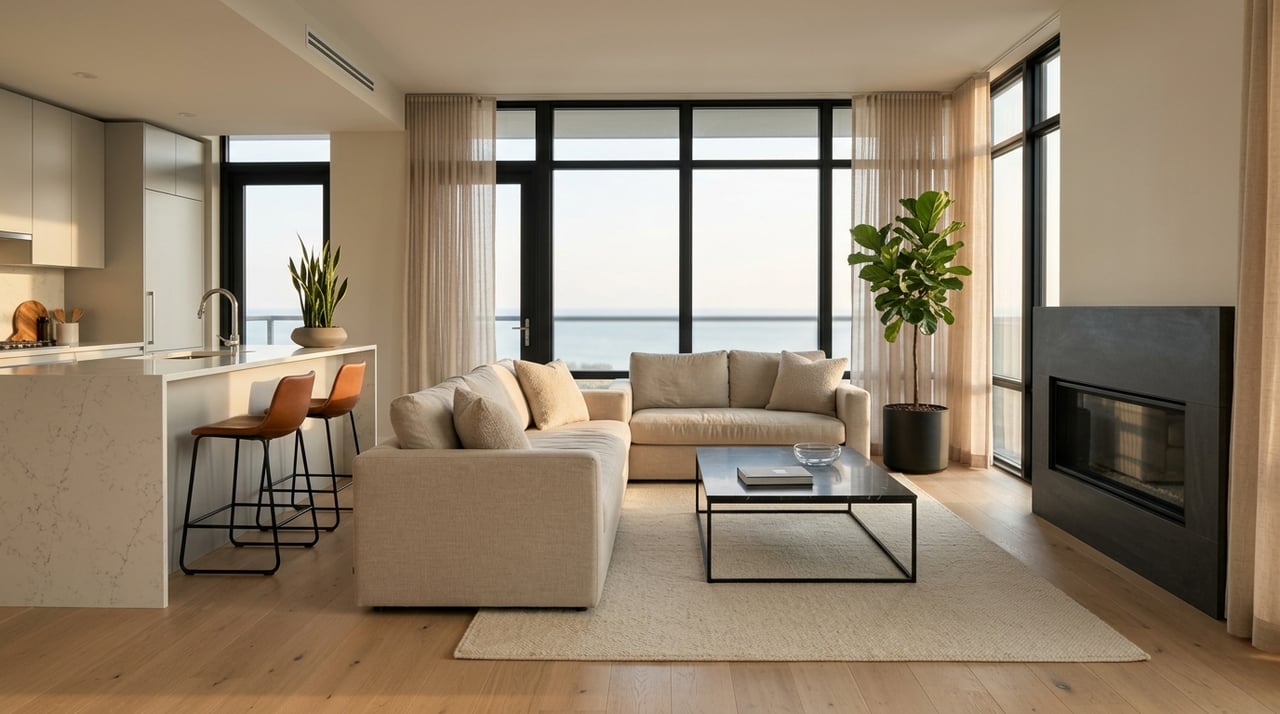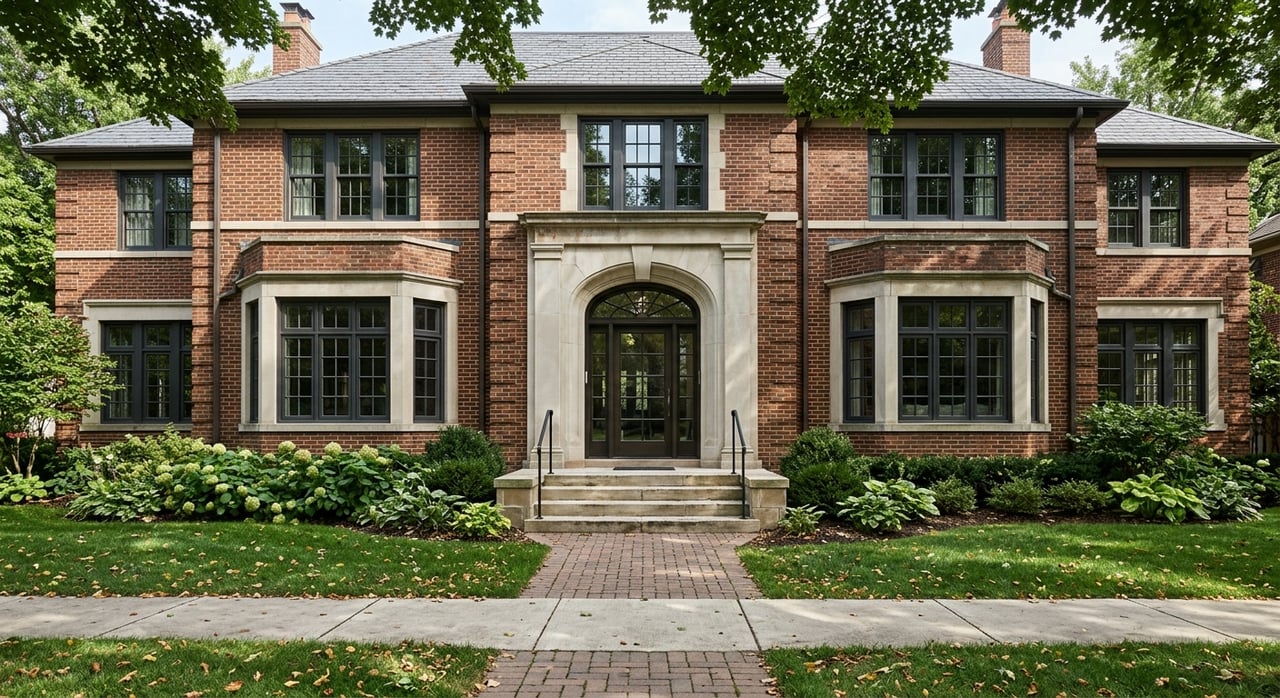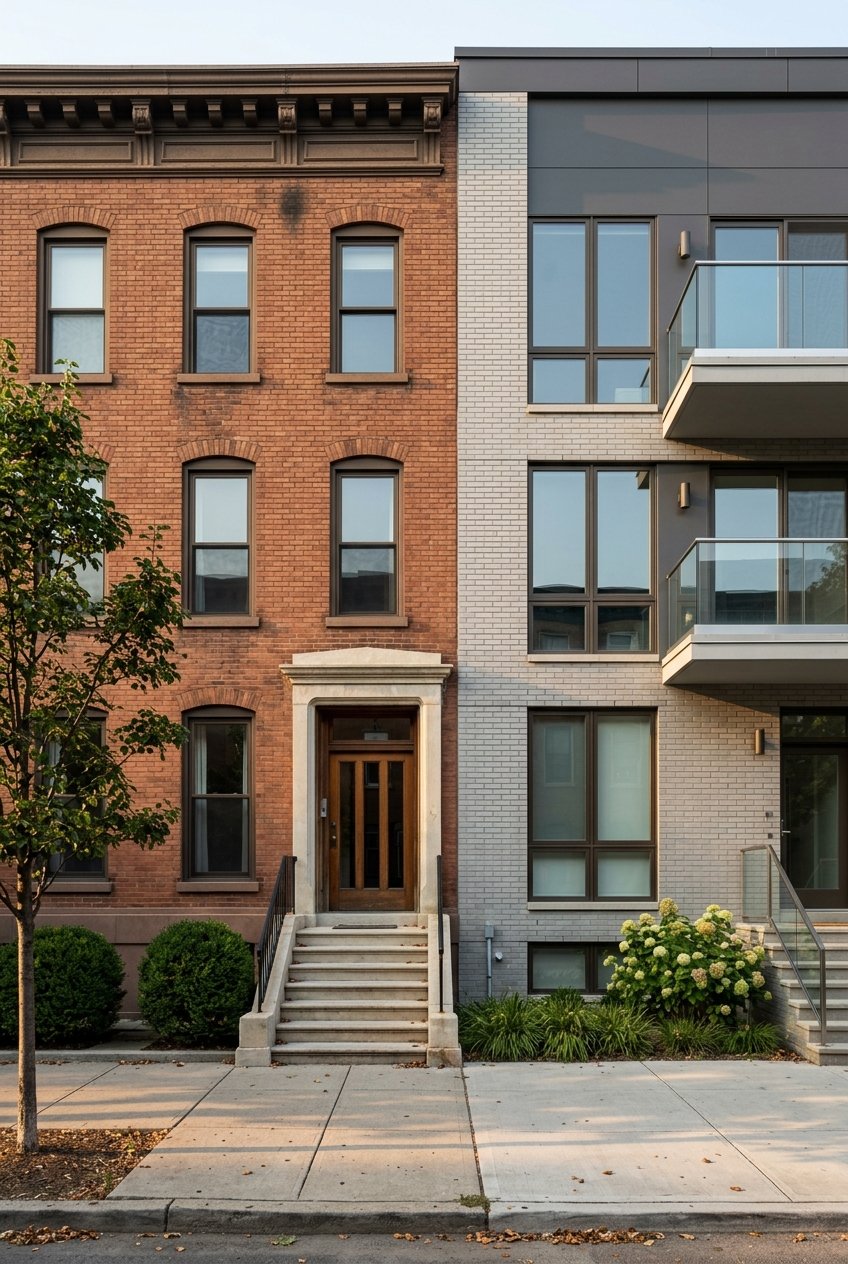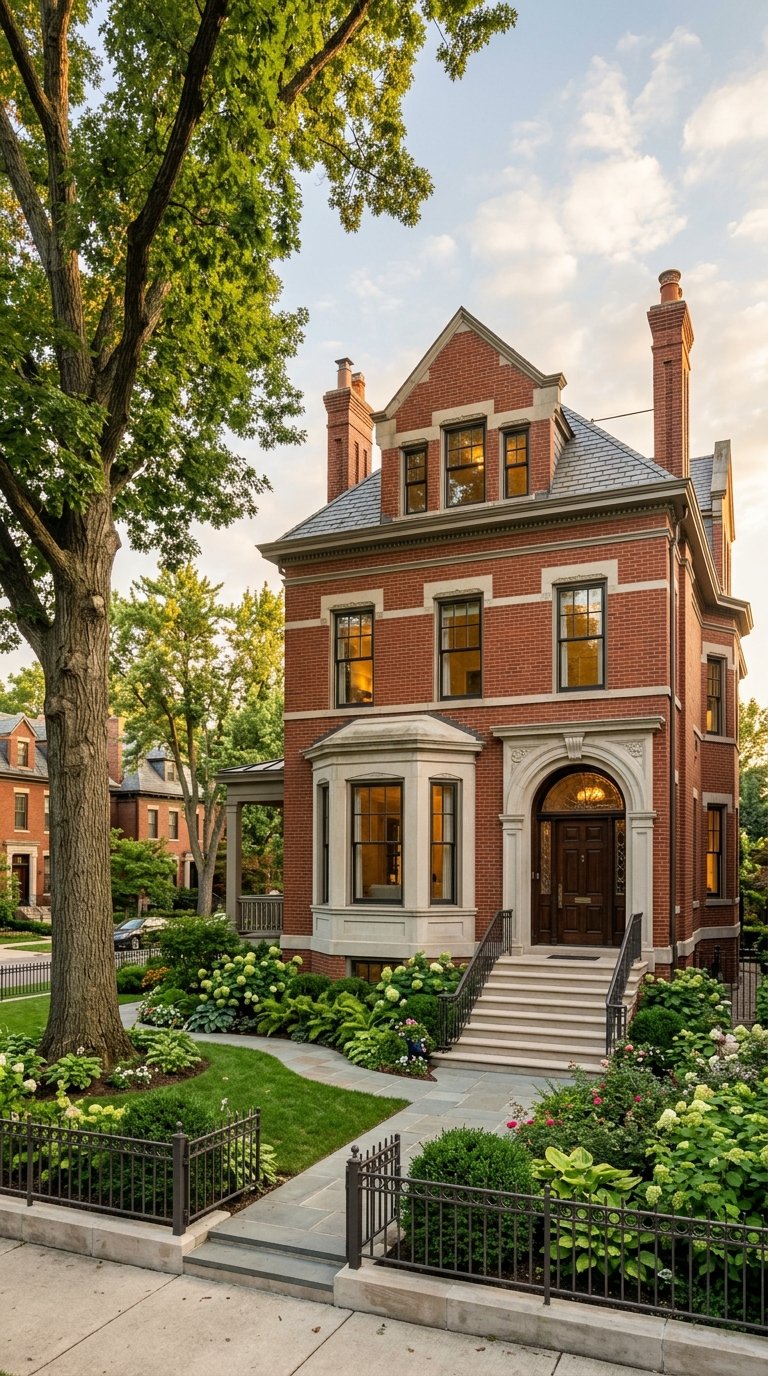
What if the right buyer for your Kenwood or Hyde Park home is not looking nearby at all, but comparing you to a condo in Streeterville, a townhouse in the Gold Coast, or a house in Lincoln Park? That is often the real competition. If you are selling in these historic South Side neighborhoods, the goal is to help downtown buyers see not just a different location, but a smarter lifestyle equation. Let’s dive in.
Why downtown buyers look south
Many downtown buyers want to stay in the city, but they also want more space, more privacy, and a home with personality. That is where Kenwood and Hyde Park can stand out. Instead of offering a generic luxury pitch, sellers can position these neighborhoods as places where you may get more house, more architectural character, and a more layered lifestyle for less than many core and North Side alternatives.
That value story is supported by recent pricing. In March 2026, Redfin reported median sale prices of $345,500 in Kenwood and $312,500 in Hyde Park, compared with $450,000 for Downtown Chicago, $530,000 for Streeterville, $600,000 for the Gold Coast, and $702,500 for Lincoln Park. For a downtown buyer weighing options, that comparison can shift the conversation quickly.
Lead with the value story
Price matters, but framing matters more. Downtown buyers are often not simply searching for the lowest number. They are comparing what they can live in and how that home supports their daily life.
For Hyde Park, the median sale price sits about 31% below Downtown Chicago and about 24% below Chicago overall based on the figures in the research. Kenwood is about 23% below Downtown Chicago and 16% below Chicago overall. That gives sellers a clear opening: your home may offer a city address, a larger footprint, and more character without the price tag of many downtown and North Side neighborhoods.
What buyers need to hear
When you market a Kenwood or Hyde Park home to someone coming from downtown, the message should be simple and specific:
- You can stay in Chicago
- You can gain space and architectural detail
- You can keep multiple commute options
- You can enjoy cultural access beyond the central core
That is a much stronger story than presenting the home as just a lower-cost alternative.
Architecture is your biggest advantage
If there is one feature that truly separates Kenwood and Hyde Park from many downtown options, it is architecture. These neighborhoods offer historic depth that is hard to replicate in newer high-rise inventory.
The University of Chicago describes Hyde Park as home to landmarks and institutions including the Museum of Science and Industry, the University of Chicago, the Robie House, the DuSable Museum, and the Hyde Park Art Center. Its neighborhood guide describes Kenwood as a place of 19th-century mansions, coach houses, contemporary homes, garden landscapes, Art Deco buildings in Indian Village, and the Hyde Park-Kenwood Historic District.
A second University of Chicago architecture source notes that Hyde Park still includes rare pre-annexation frame houses on Blackstone Avenue and Kenwood Avenue, that much of the University of Chicago campus is known for Gothic Revival architecture, and that Frank Lloyd Wright’s Robie House is a Prairie Style landmark. For buyers used to polished but predictable downtown finishes, this kind of built environment can feel distinctive and memorable.
Show original details, not generic staging
If your home has historic features, make them part of the lead story. Buyers comparing a high-rise condo to a historic house are often looking for features that feel authentic and hard to duplicate.
That can include:
- Original millwork
- Masonry details
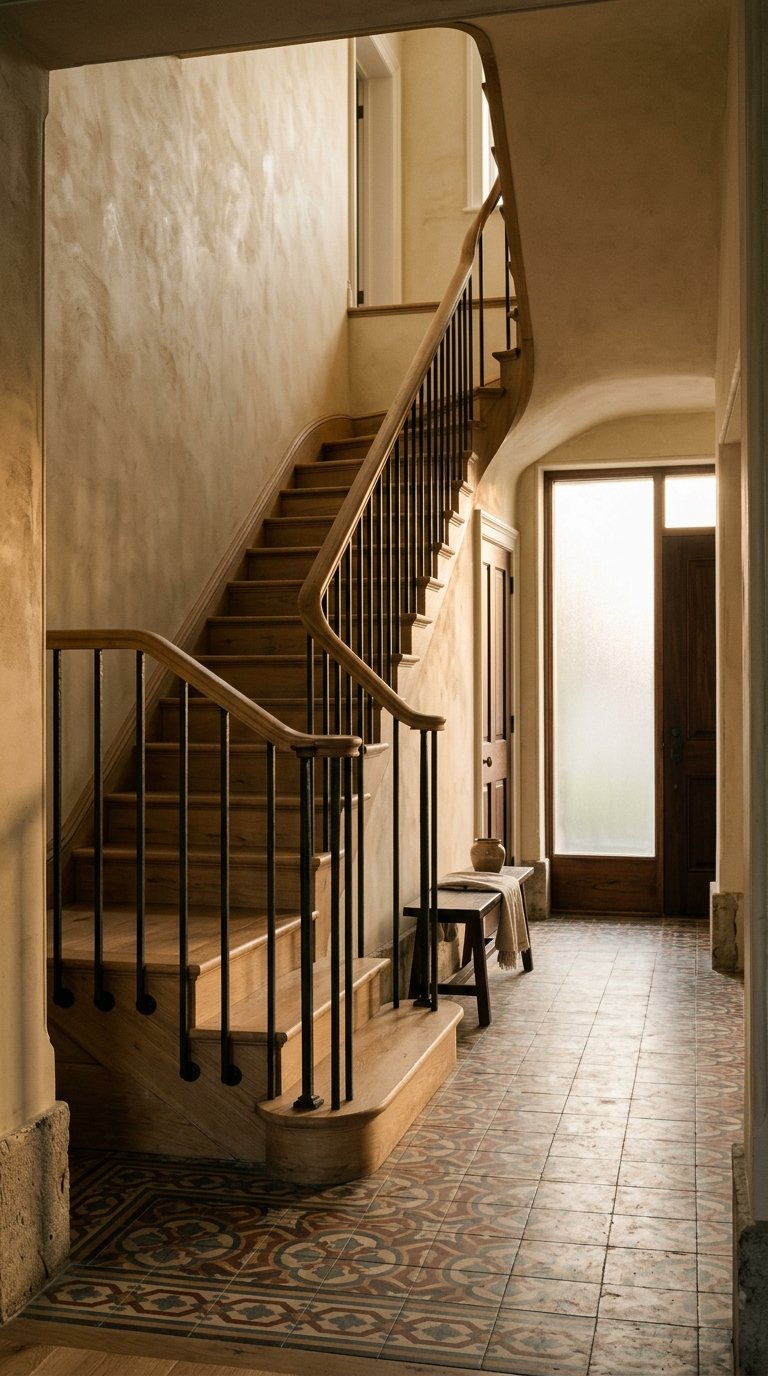
- Staircases with character
- Porches
- Ceiling height
- Fireplaces
- Well-proportioned rooms
- Built-ins and crown molding
- Hardwood floors and sunrooms
Recent Hyde Park listings also suggest buyers respond to practical features such as parking and layouts that support work-from-home use. The strongest presentation usually balances period character with everyday livability.
Commute options help close the gap
For many downtown buyers, the first question is simple: How easy is it to get downtown? Sellers should answer that early and clearly. In Kenwood and Hyde Park, transit is not a side note. It is one of the strongest bridges to a downtown audience.
CTA’s #2 Hyde Park Express runs between 60th/Cottage Grove and Navy Pier, with no stops between the Hyde Park area and Columbus/11th at Museum Campus. The #6 Jackson Park Express runs between 79th/South Shore and Wacker/Columbus, with no stops between 47th/Lake Park and Museum Campus. The #28 Stony Island includes weekday rush service to Union Station with downtown stops at Adams and Canal, Clark, Wacker, State, Wabash, and Wells.
Metra Electric serves Hyde Park stations at 51st/53rd Street and 47th Street/Kenwood, with downtown stops including Millennium, Van Buren, and Museum Campus/11th Street. The CTA Green Line also runs through downtown via the Loop. That mix gives buyers multiple ways to move between home and the central business district.
Position transit as flexibility
The point is not only that there is transit. The point is that buyers can choose among several routes depending on work location, schedule, and routine. That flexibility helps Kenwood and Hyde Park compete with downtown neighborhoods where convenience is often assumed to be the main advantage.
For professionals and relocators, this can be a powerful shift in perspective. Instead of choosing between urban convenience and residential breathing room, they may be able to have both.
Lifestyle extends beyond the home
A downtown buyer is rarely shopping for square footage alone. They are also buying access, rhythm, and experience. Kenwood and Hyde Park offer a lifestyle story that is unusually rich and easy to understand.
According to the University of Chicago neighborhood guide, Hyde Park is bookended by the Museum of Science and Industry and the University of Chicago, with access to the Robie House, the Smart Museum, the DuSable Museum, the Hyde Park Art Center, Jackson Park, beaches, and the lakefront bike path. The same guide notes strong public transportation connections to downtown and the rest of the city.
Kenwood benefits from adjacency to that same cultural ecosystem while offering a quieter residential feel. The University of Chicago highlights Kenwood’s shaded streets, historic homes, coach houses, gardens, Art Deco buildings, and recognized historic district status. That contrast can be very appealing to buyers who want a home that feels tucked away without feeling disconnected.
How to frame Kenwood vs. Hyde Park
These neighborhoods share many strengths, but they are not identical. Sellers should be thoughtful about the tone of the story they tell.
Kenwood messaging
Kenwood often works best when positioned as residential, historic, and quietly elegant. The emphasis can be on shaded streets, architectural pedigree, historic homes, and a sense of privacy, while still being close to museums, the lakefront, and downtown transit options.
Hyde Park messaging
Hyde Park often works best when positioned as cultural, connected, and architecturally rich. The neighborhood has strong name recognition tied to the University of Chicago, major museums, landmark architecture, parks, and lakefront access. For many downtown buyers, that mix can feel vibrant and intellectually engaging while still offering more room than the core.
Price carefully and market precisely
Value does not mean automatic demand. Redfin currently describes Kenwood as somewhat competitive, with homes going pending in around 75 days and selling at about 96.7% of list price. Its nearby comparison shows Hyde Park at about 73 days pending.
That means sellers should not rely on broad luxury language alone. Buyers need a clear reason to choose your home over downtown or North Side inventory. Pricing should reflect the market, and marketing should focus on the property’s strongest differentiators.
The features that deserve top billing
When targeting downtown buyers, the most persuasive listing story usually combines four themes:
- Price advantage compared with downtown, Streeterville, Gold Coast, and Lincoln Park
- Historic character that feels genuine and visually memorable
- Transit access that supports downtown work and city living
- Cultural and outdoor access through museums, parks, beaches, and the lakefront
If your home checks several of these boxes, that is your positioning strategy.
What makes this strategy work
Downtown buyers are often accustomed to polished presentation and strong marketing. They respond to a home when the story feels intentional, credible, and tailored to the way they actually live. In Kenwood and Hyde Park, the strongest case is not about being “farther south.” It is about offering a historic urban lifestyle with room to breathe.
That story works because it is grounded in facts buyers can recognize: lower median prices than downtown and several North Side luxury districts, distinctive architecture, meaningful transit options, and a cultural landscape that goes well beyond the home itself. When sellers present those benefits clearly, these neighborhoods can compete from a position of strength.
If you are preparing to sell in Kenwood or Hyde Park and want to shape the right narrative for downtown buyers, Fu Group can help you position your home with strategic storytelling, refined marketing, and white-glove guidance from start to finish.
FAQs
How do Kenwood and Hyde Park home prices compare with Downtown Chicago?
- In March 2026, Redfin reported median sale prices of $345,500 in Kenwood and $312,500 in Hyde Park, compared with $450,000 for Downtown Chicago.
What historic home features matter most in Kenwood and Hyde Park listings?
- Original millwork, fireplaces, hardwood floors, built-ins, crown molding, porches, staircases, ceiling height, masonry details, and well-proportioned rooms can help a home stand out.
What transit options connect Kenwood and Hyde Park to downtown Chicago?
- CTA routes including the #2 Hyde Park Express, #6 Jackson Park Express, #28 Stony Island, the Green Line, and Metra Electric all provide connections between these neighborhoods and downtown.
Why do downtown buyers consider Kenwood and Hyde Park homes?
- Many buyers are drawn to the combination of lower prices than some downtown and North Side areas, larger homes, architectural character, and access to culture, parks, and the lakefront.
How should sellers market a Kenwood or Hyde Park home to downtown buyers?
- Sellers should focus on value relative to downtown, authentic architectural details, commute flexibility, and the neighborhood’s cultural and outdoor amenities.