Selling a luxury condo in the Gold Coast is not about posting to the MLS and waiting. To reach the right buyers and secure strong terms, you need a story that earns attention beyond standard feeds. You also want discretion, a clear process, and a team that can manage press, private showings, and negotiation without drama. This guide walks you through an editorial marketing playbook built for Gold Coast condominiums, from creative assets to Christie’s distribution, timing, privacy, and how to measure results. Let’s dive in.
Why editorial marketing in Gold Coast
The Gold Coast draws local high‑net‑worth buyers, corporate transferees, and international clients who value urban living by Lake Michigan and the Magnificent Mile. Many pursue architectural pedigree, designer finishes, and rare views. For these buyers, narrative and presentation matter, and amenities or unobstructed park and lake exposures can materially influence demand.
Chicago’s luxury market is seasonal. Spring and early fall typically see stronger activity. You can time an editorial launch to align with March–May and major cultural or design events, so momentum peaks when buyers are most engaged. The aim is to deliver a polished story when attention is highest.
What editorial marketing is
Editorial marketing goes beyond broker ads. It seeks earned placements and third‑party features that act as independent validation. When your property appears in respected media, it reaches audiences who are not scanning the MLS every day, including international collectors and C‑suite movers.
This format also lets you tell a richer story. You can highlight architectural lineage, designer collaborations, building history, and lifestyle moments unique to the Gold Coast. For singular homes, that narrative helps buyers see value that photos alone may miss.
Your editorial listing playbook
Build the story and assets
A strong editorial campaign starts with a clear narrative and ready‑to‑publish materials:
- Narrative brief. Define the core story in a concise, media‑ready format. Lead with what is truly scarce: provenance, architecture, notable design collaborators, and lifestyle tied to your location.
- High‑end photography. Capture architectural and lifestyle images, including day and night views, amenities, and key design details. Prepare image credits and high‑resolution files for press use.
- Video suite. Produce a guided walk‑through, plus short cinematic clips that show flow, light, and the experience of living in the space. If drone footage is appropriate, confirm building and city rules first.
- Long‑form profile. Draft a 500–1,200 word property piece with quotes from the seller (if approved), the architect or designer, and the listing broker. Format it so it can be pitched or published as‑is.
- Press kit. Include the narrative, images, floor plans, building history, neighborhood context, and broker contact. If using Christie’s channels, add a note on distribution options.
Distribution that reaches real buyers
Once the story is set, reach aligned audiences through a mix of channels:
- Christie’s global network. Coordinate with the Christie’s team to place the property in digital and print property guides, syndicated newsletters, and regional office networks. Confirm lead routing and timing.
- Local luxury press. Pitch exclusive first‑look stories to reputable Chicago outlets that cover design and real estate in the Gold Coast.
- National and international media. Target editorial desks at design and luxury publications that feature high‑end homes and unique architecture.
- Amplification. Share earned coverage through owned channels, curated buyer lists, and targeted paid social that reaches high‑net‑worth demographics.
Smart timing and launch
Plan your timeline so editorial and showings build on each other without leaking confidential details.
- Quiet window. Consider a short pre‑market period for private showings with vetted buyers while press materials finalize. This creates scarcity and gathers early feedback.
- Embargo strategy. Use an embargoed release to coordinate a simultaneous editorial launch across select outlets and Christie’s distribution.
- Sequencing sample.
- Week 1: Private showings for qualified buyers
- Week 2: Embargoed editorial release coordinated with Christie’s distribution
- After editorial launch: Public MLS listing and targeted follow‑ups
Private showings with discretion
High‑end listings deserve a clear protocol that respects privacy and the building’s standards.
- Buyer vetting. Request proof of funds, lender pre‑approval if applicable, or evidence of liquidity before confirming private showings. For ultra‑private listings, use NDAs.
- Showings logistics. Schedule by appointment only with staggered timing. Ensure the listing agent is present and coordinate with building security or concierge.
- Media management. Restrict press access to escorted previews. Control photography and video rights with written permissions. Redact any seller‑sensitive information from press kits.
- Health and safety. Follow current building protocols for group size and sanitation. Confirm any seller preferences in advance.
- Association rules. Verify condo association policies for showings, staging, photography, signage, insurance, and any drone use. Obtain approvals where required.
Negotiation that uses momentum
Editorial exposure can concentrate qualified interest and help you frame a disciplined negotiation.
- Leverage timing. Communicate that offers may be reviewed on specific dates based on inbound interest. Make sure buyer brokers understand the process.
- Structured reviews. Decide whether to use a short review window or rolling responses. Escalation clauses may be considered when appropriate.
- Go beyond price. Evaluate earnest money, inspection periods, financing certainty, closing windows, and any condo board approvals. Focus on net proceeds and certainty of close.
- Multiple offers. Set fair, transparent criteria for evaluating terms and buyer qualifications. When certainty is a priority, verified funds can be a tie‑breaker.
- Post‑offer press. Align any public messaging about an accepted offer with the seller’s wishes. Avoid disrupting the path to closing while keeping backup interest warm.
Measure what matters
Track performance so you can see what worked and refine your approach.
- Editorial metrics. Record outlets secured, whether the placement was a feature or a mention, estimated reach, and the geographic audience.
- Lead metrics. Attribute inbound inquiries to their source, especially those driven by editorial. Track qualified leads and private showings.
- Sales outcomes. Log offers, final price compared to comps and list price, and days on market from both the first private showing and the public listing date.
- Conversion ratios. Monitor inquiries to showings to offers, so you can adjust targeting and messaging.
- Earned media value. If you track it, estimate the advertising value of coverage across outlets.
Attribution can be complex. Treat editorial as one input and rely on documented lead sources, MLS data, and brokerage records to support outcomes.
What this looks like in practice
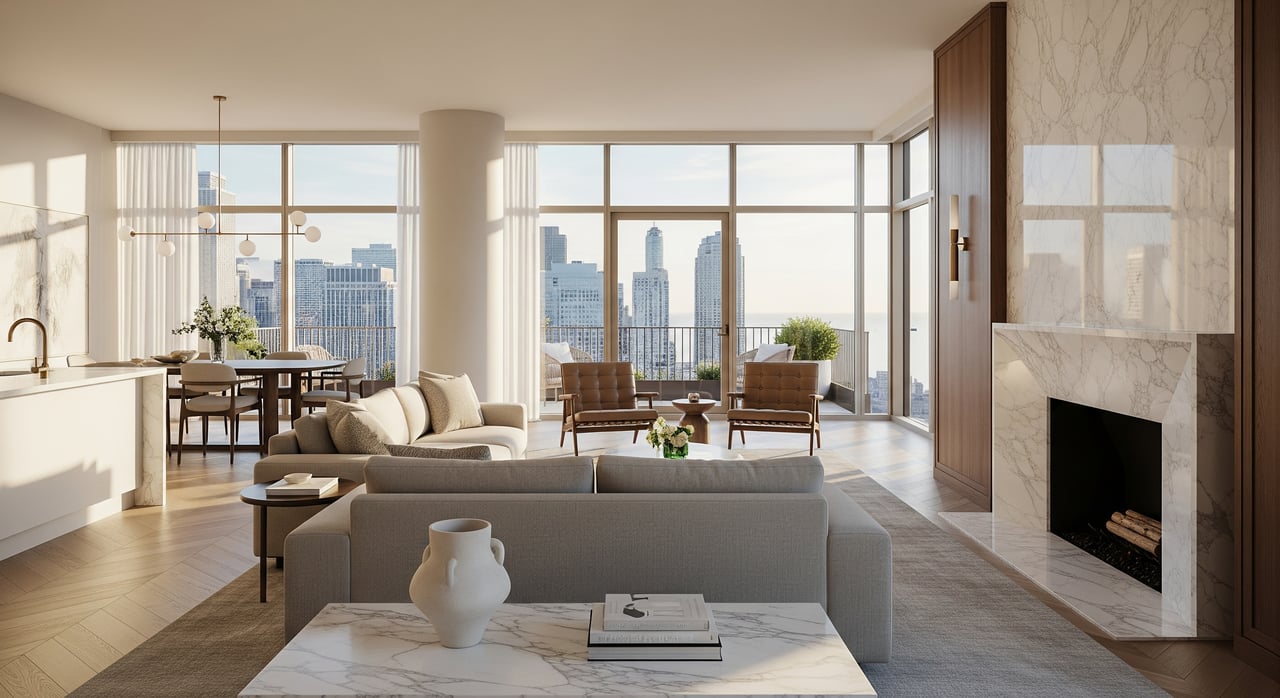
Every property is different, but the framework stays consistent. A Gold Coast penthouse with unobstructed lake views may lead with architecture and sky‑level lifestyle, while a historic walk‑up conversion may spotlight preservation, craftsmanship, and proximity to cultural landmarks. In each case, the aim is to tell a credible, concise story and place it where the right buyers are already paying attention.
Case study framework we use
- Objective: clarify the seller’s goals, privacy needs, and timing.
- Assets: finalize narrative, photography, video, press kit, and approvals.
- Distribution: outline target outlets and Christie’s channels with dates.
- Timeline: log private showings, press release, MLS debut, and follow‑ups.
- Metrics: record inquiries from editorial, qualified showings, offers, and outcomes.
Before publishing any case details, confirm permissions for photos, quotes, and figures. If results are attributed rather than verified by third parties, label them clearly.
Costs, risks, and fit
Editorial campaigns require investment in creative assets, PR, and targeted amplification. ROI depends on execution, property uniqueness, and market conditions. You should avoid guarantees on price or timing and take care not to over‑promise outcomes.
Privacy also matters. Many luxury sellers prefer anonymity. Set permissions early, control distribution lists, and keep seller information off public materials. Advertising and copy must comply with fair housing laws. For disclosures, transfer taxes, and condo documentation, consult your listing broker and an attorney so you meet Illinois, Cook County, and association requirements.
Ready to sell your Gold Coast condo
If you want a strategy that treats your condo as a story worth telling and delivers it to a global audience with precision, we’re here to help. Our team combines editorial‑grade marketing, Christie’s reach, and a disciplined process for private showings and negotiation. Start with a confidential conversation about your goals and timing. Schedule a private consultation with the Fu Group.
FAQs
What is editorial marketing for a condo sale?
- It is an earned‑media strategy that packages your home’s story for press and Christie’s channels to reach high‑net‑worth and international buyers beyond standard MLS feeds.
How does seasonality affect a Gold Coast sale?
- Spring and early fall typically show stronger engagement, so timing your editorial launch and MLS debut around these windows can help maximize attention.
What do I need before press outreach begins?
- A tight narrative, high‑resolution photography, video, floor plans, a press kit, and confirmed building permissions for showings and any media activity.
How are private showings handled for discretion?
- Showings are appointment‑only with proof of funds or pre‑approval, controlled access, NDAs when needed, and coordination with building management and concierge.
Can editorial exposure guarantee a higher sale price?
- No. Editorial can expand reach and urgency, but outcomes depend on property uniqueness, pricing, market conditions, and negotiation. Track leads and comps to assess impact.
What legal or compliance items should I prepare?
- Work with your broker and an attorney on Illinois and Cook County disclosures, transfer taxes, and condo association requirements. Ensure all advertising follows fair housing laws.